Le Calvaire Cemetery: Montmartre’s Hidden Graveyard That Opens Only Once a Year
Discovering Montmartre’s Hidden Cemetery
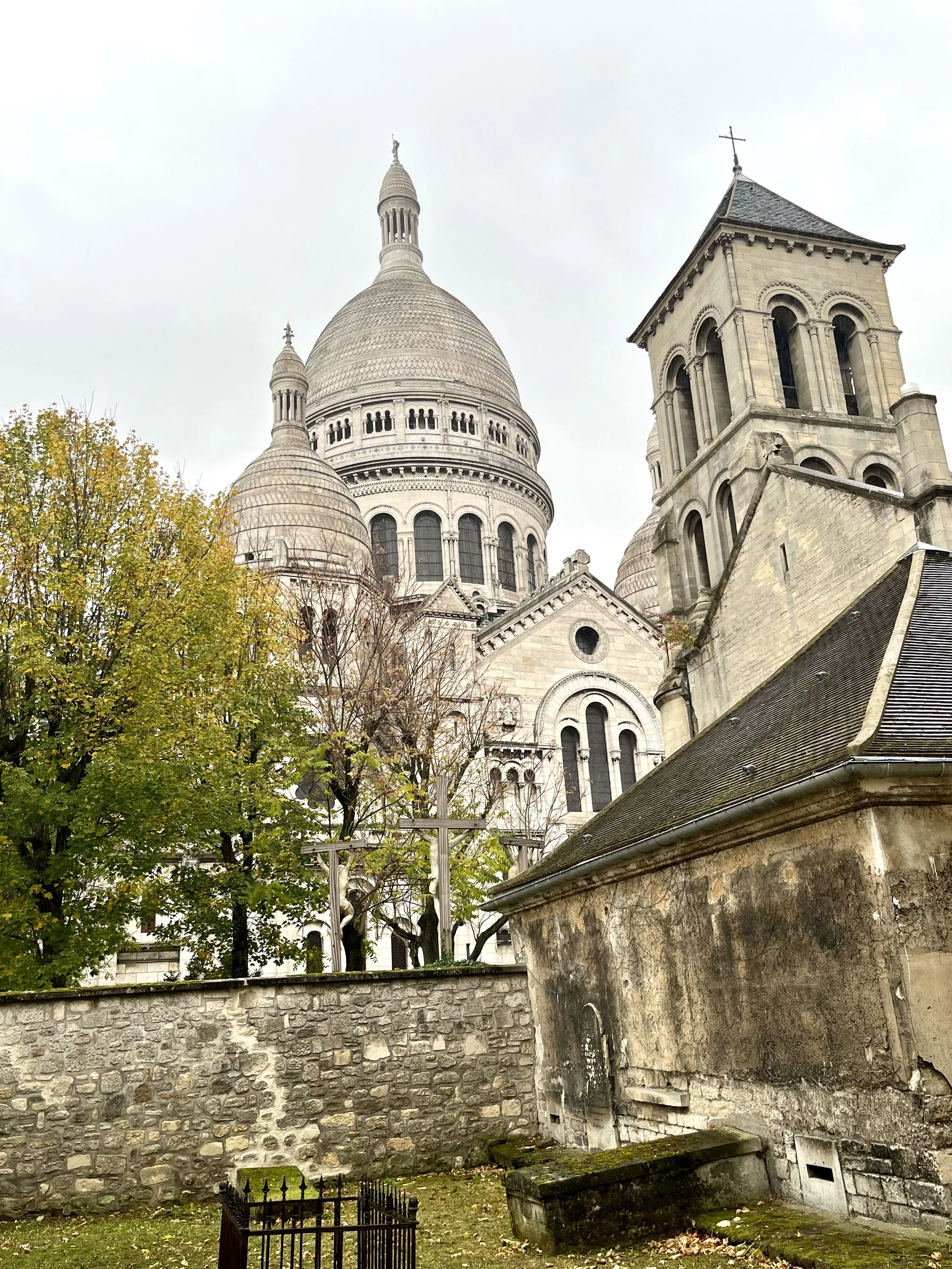
At the very top of Montmartre, just behind the church of Saint-Pierre, lies a place most visitors will never see. Le Calvaire Cemetery opens its gates only once a year—on All Saints’ Day (November 1)—and stays closed for the rest of the year, hidden behind high walls while millions of tourists walk right past it.
I’ve dreamed of visiting for years, but November 1 always falls during the French school holidays, and we’re usually out of town. This year, I finally made it.
Visiting Le Calvaire Cemetery: What to Expect
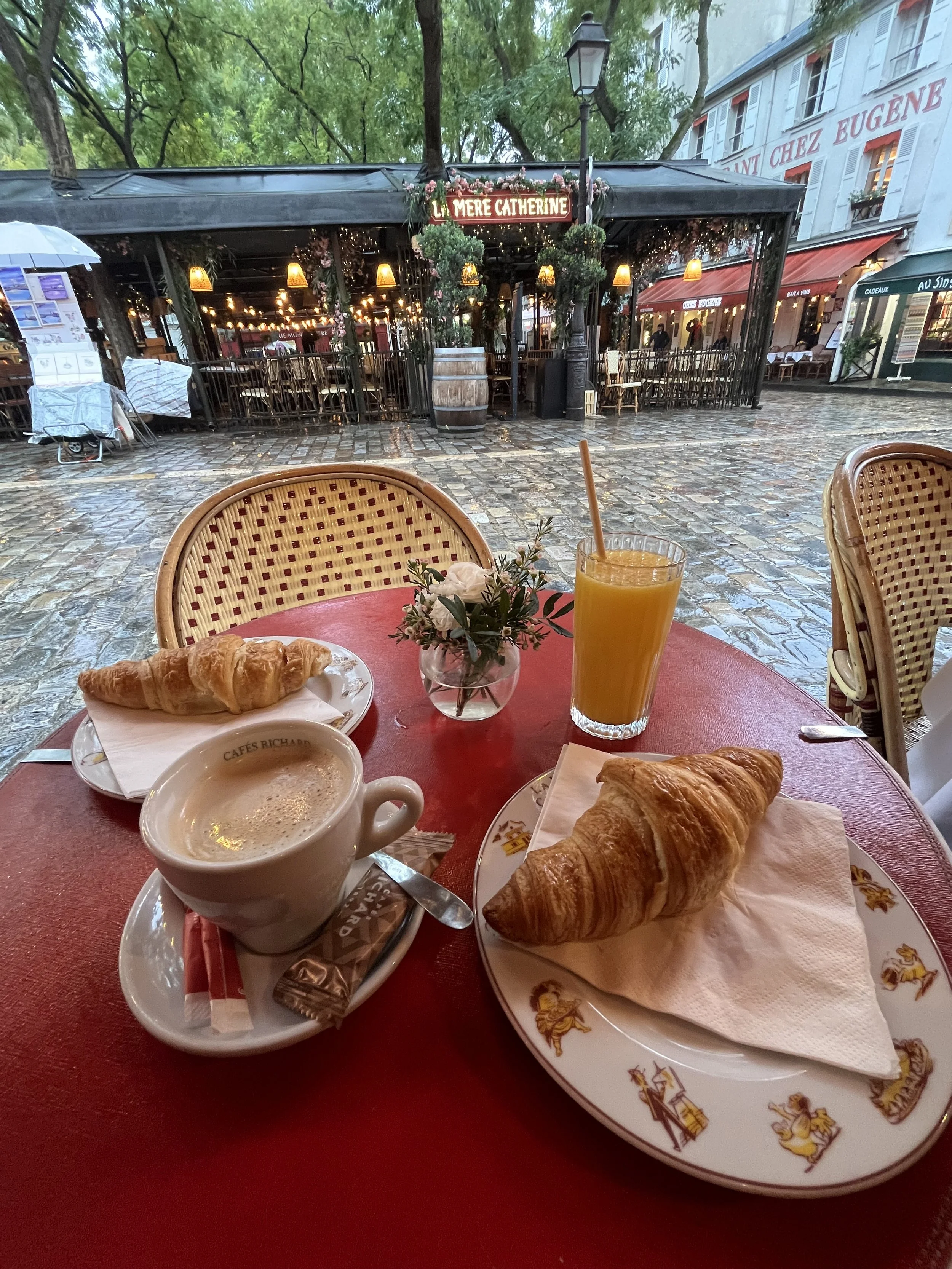
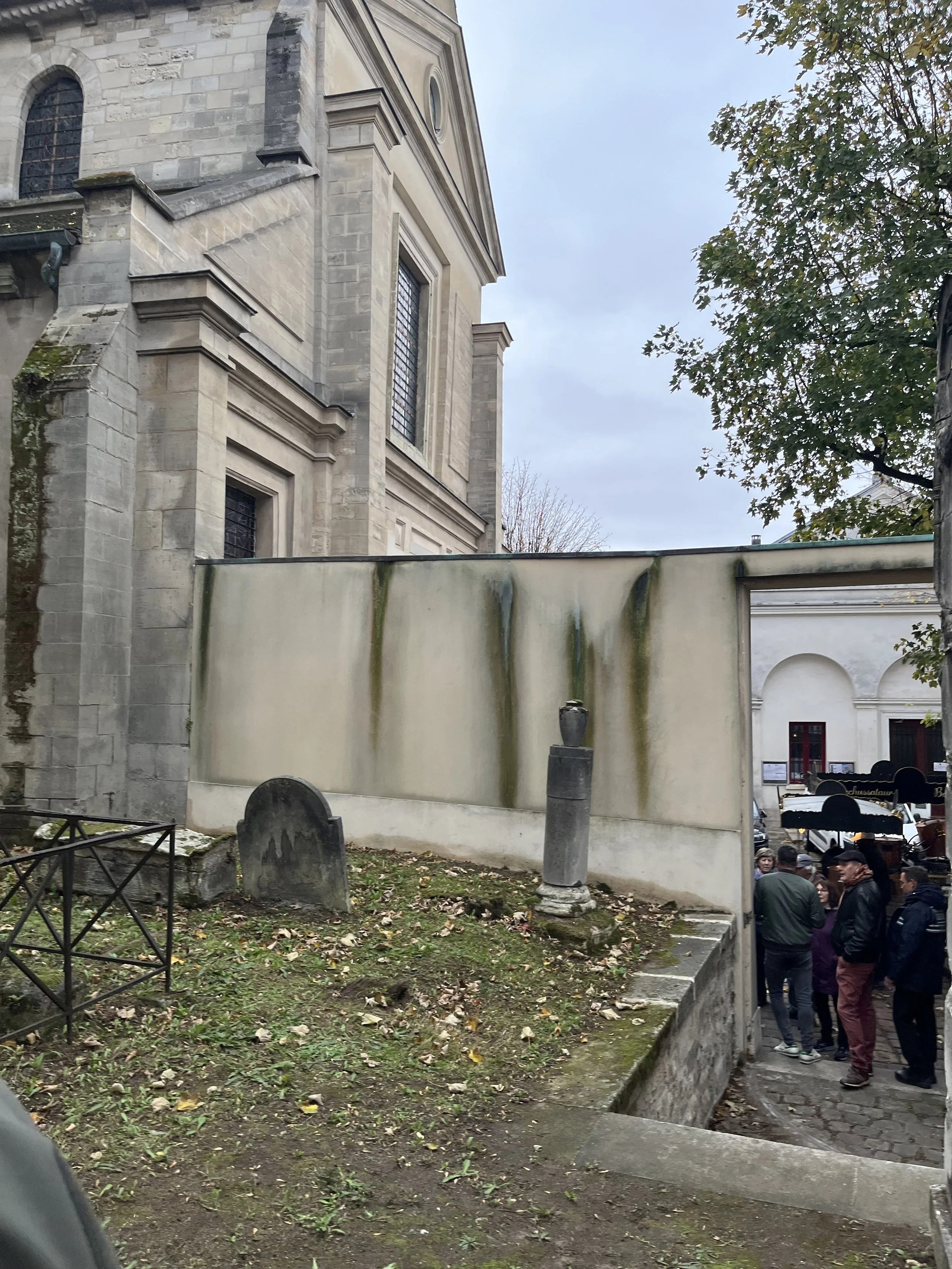
The cemetery is open only from 9:30 a.m. to 5 p.m. on November 1. When I arrived around 9 a.m., a small group had already gathered at the gate—a handful of curious visitors like me. There were no crowds, no tickets, no signs—just a few parish volunteers ready to answer questions. The paths were damp with autumn leaves, and the silence inside the walls felt like a world apart from the noise and souvenir shops of the Place du Tertre just steps away.
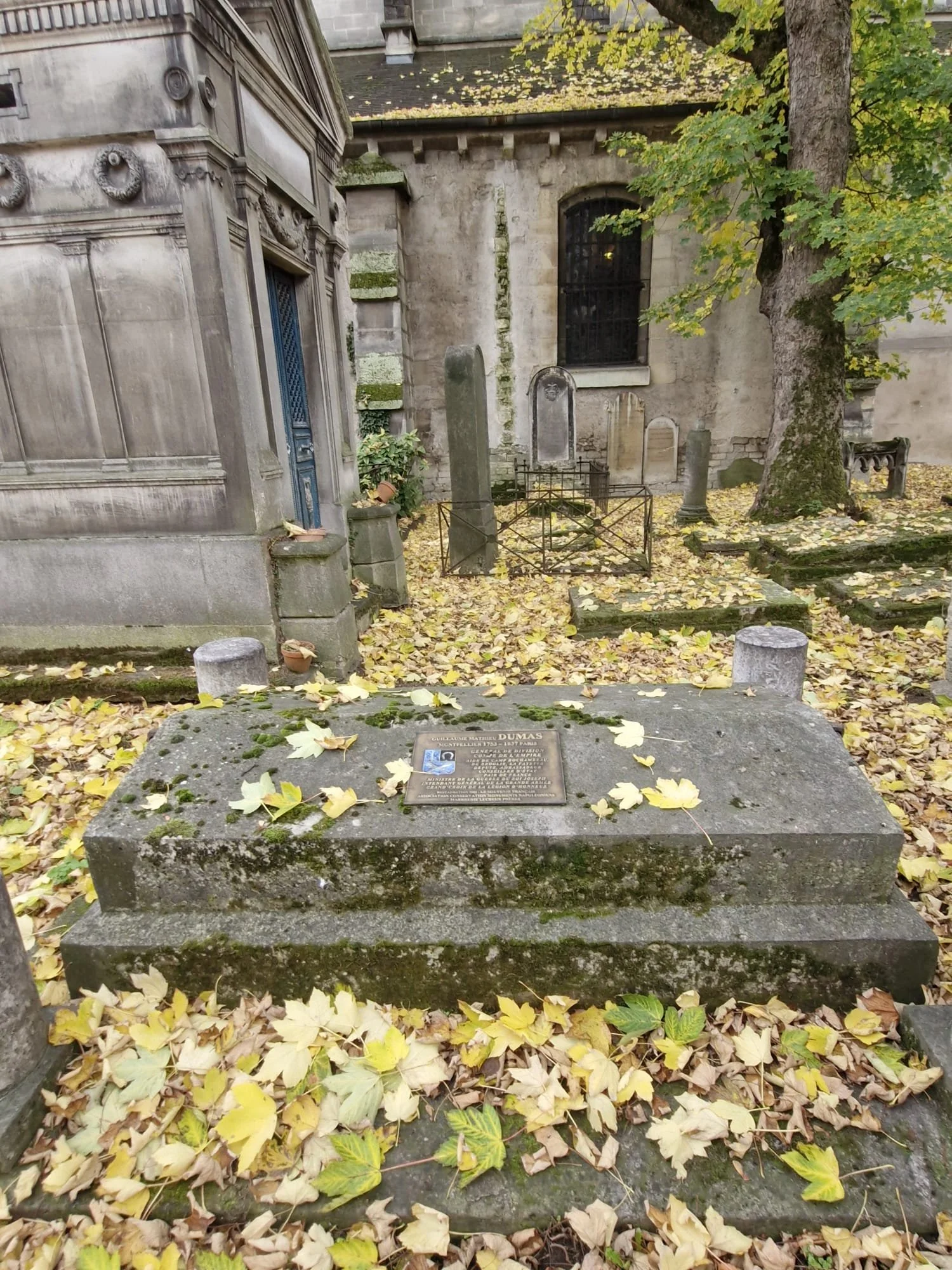
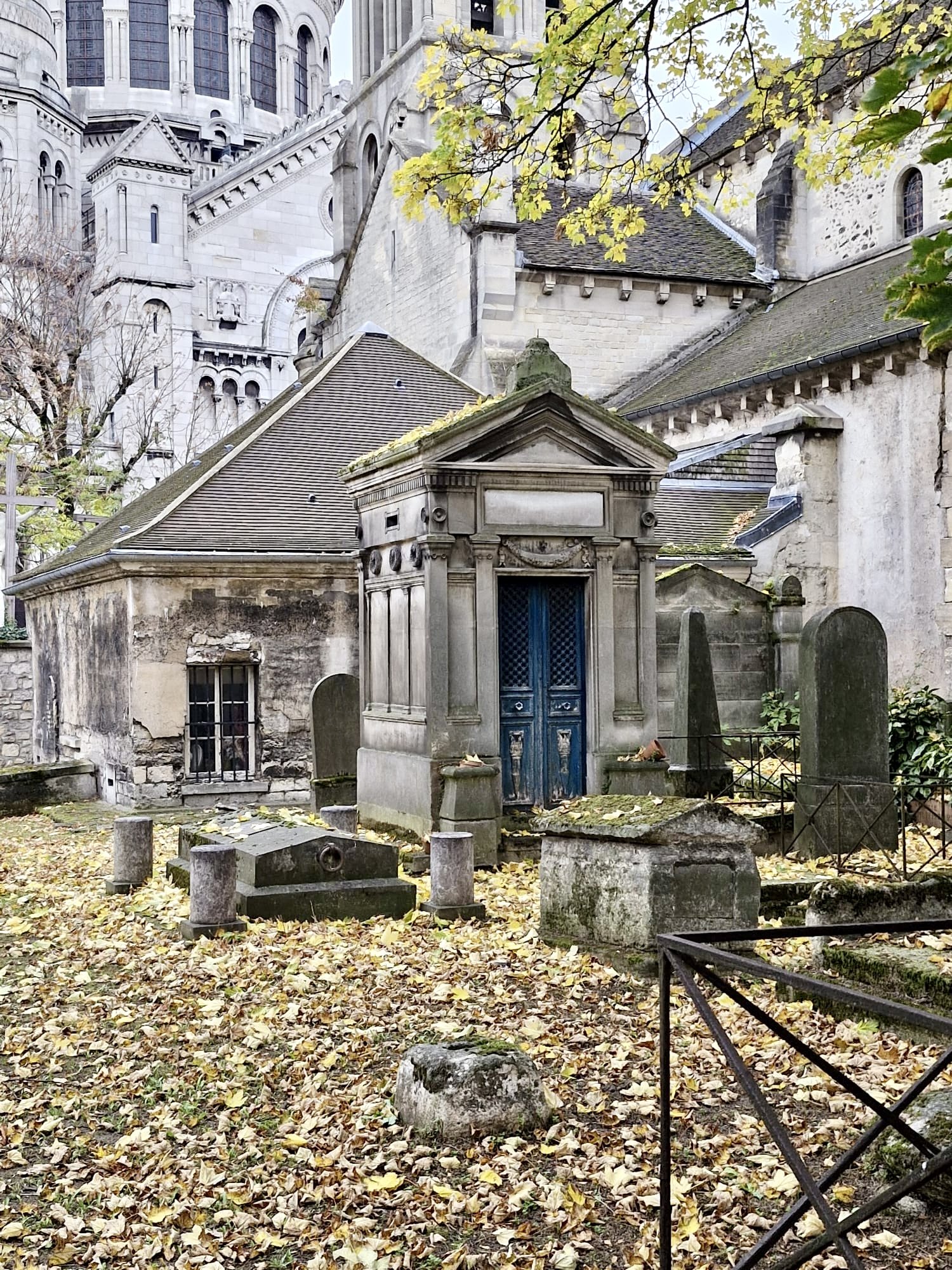
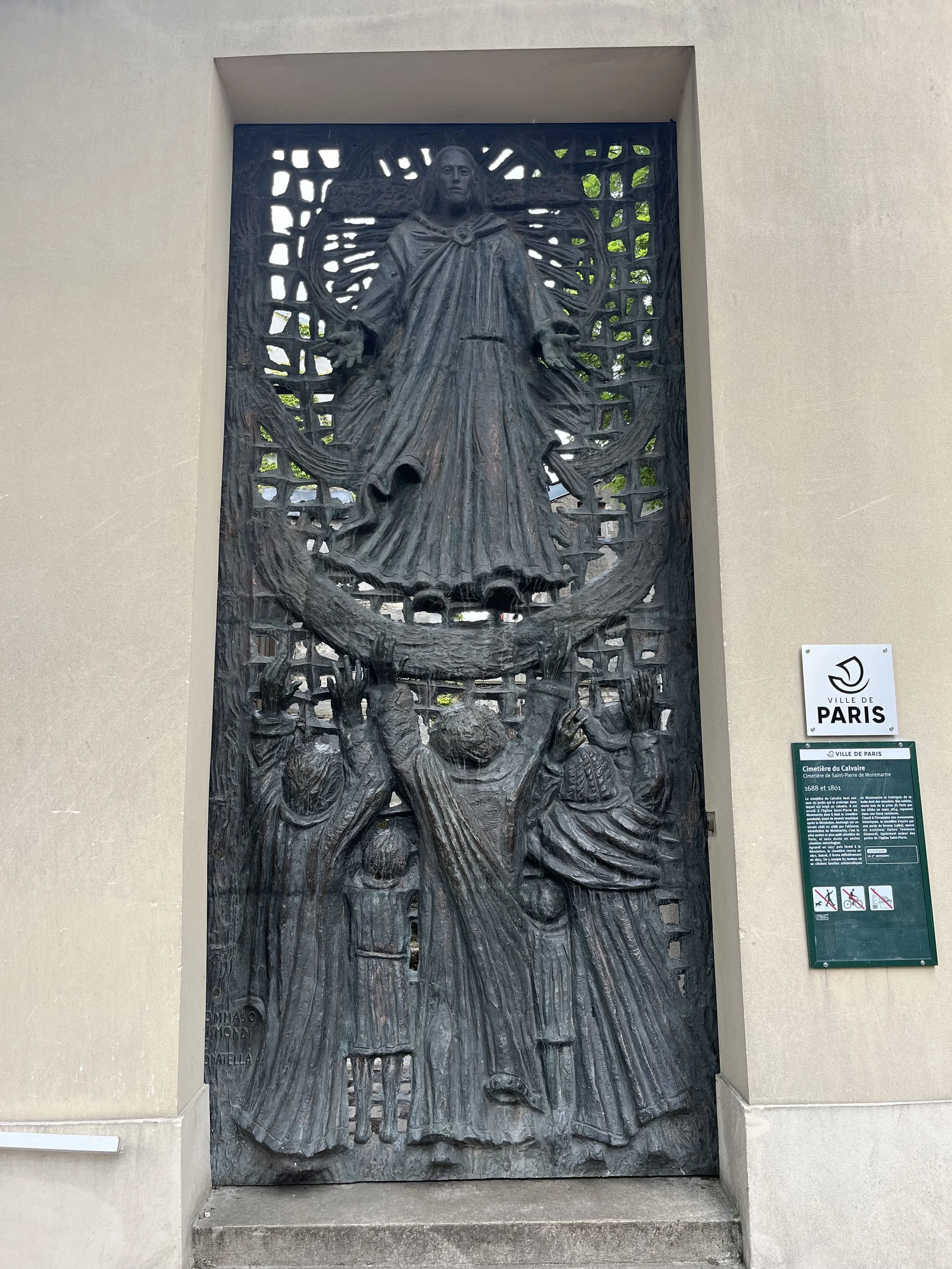
Le Calvaire Cemetery sits beside the Church of Saint-Pierre de Montmartre, just behind the Place du Tertre. At roughly 6,460 square feet, it’s the smallest cemetery in Paris attached to a parish church, and it contains just 85 tombs. Enclosed by tall stone walls and accessible through a bronze gate created in 1980 by Italian sculptor Tommaso Gismondi, it offers a compact but tangible record of Montmartre’s early history.
History of Le Calvaire Cemetery Montmartre
The cemetery occupies the highest natural point in Paris, about 428 feet above sea level. Its name comes from the adjoining garden where a calvary cross once stood, reflecting Montmartre’s religious identity long before the Basilica of the Sacré-Cœur was built.
Le Calvaire was officially established in 1688 on land granted by Marie-Anne d’Harcourt, the Benedictine abbess of Montmartre. It may, however, rest on an even older Merovingian burial site. Like much of the Butte, it formed part of the royal abbey’s property until the French Revolution, when monastic lands were seized as national property. The cemetery was closed and dismantled during that time.
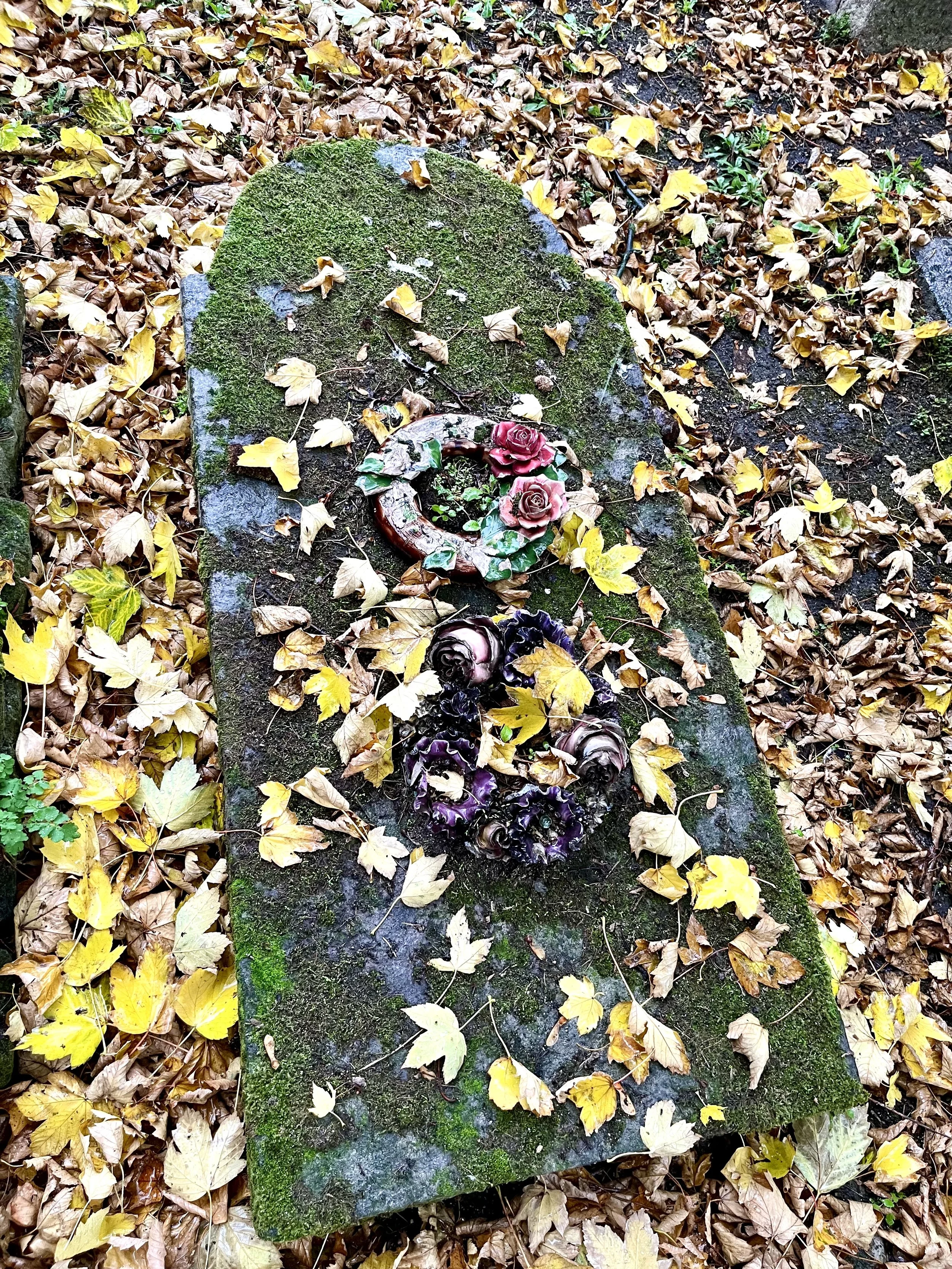
It reopened in 1801, after the Concordat restored local church rights. In the early 19th century, it became the resting place of many families from “lower Montmartre”—the wealthier district near today’s 9th arrondissement—as well as residents of the Butte itself, including millers and craftsmen. A common grave holds the remains of soldiers killed during the capture of Paris by allied forces in March 1814.
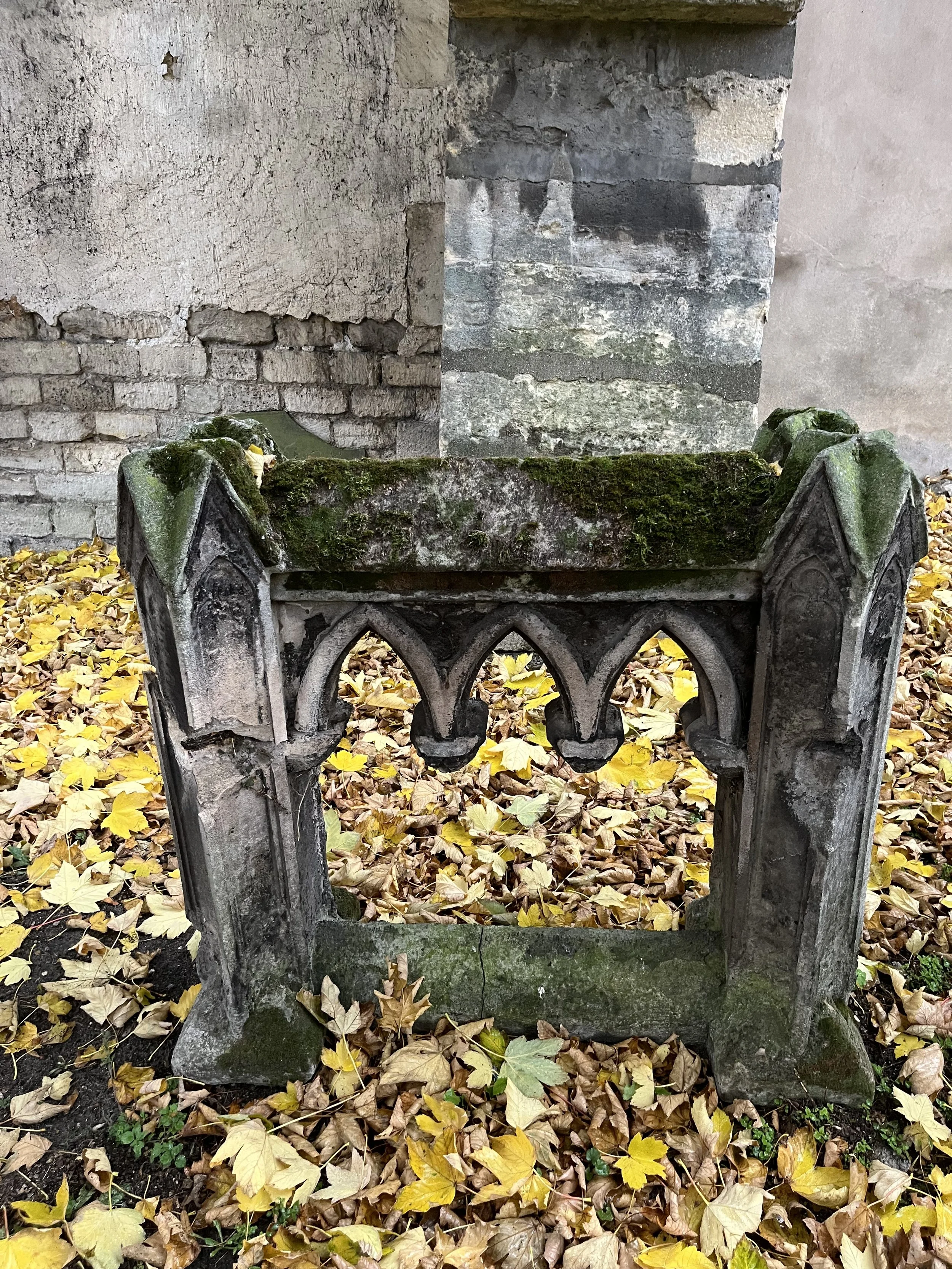
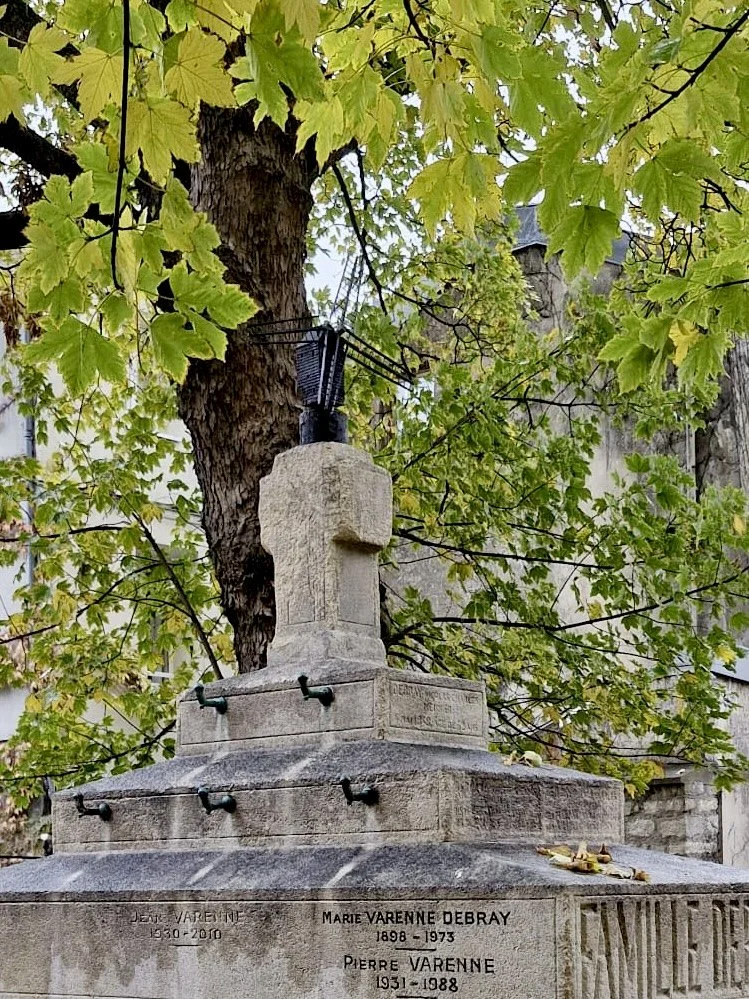
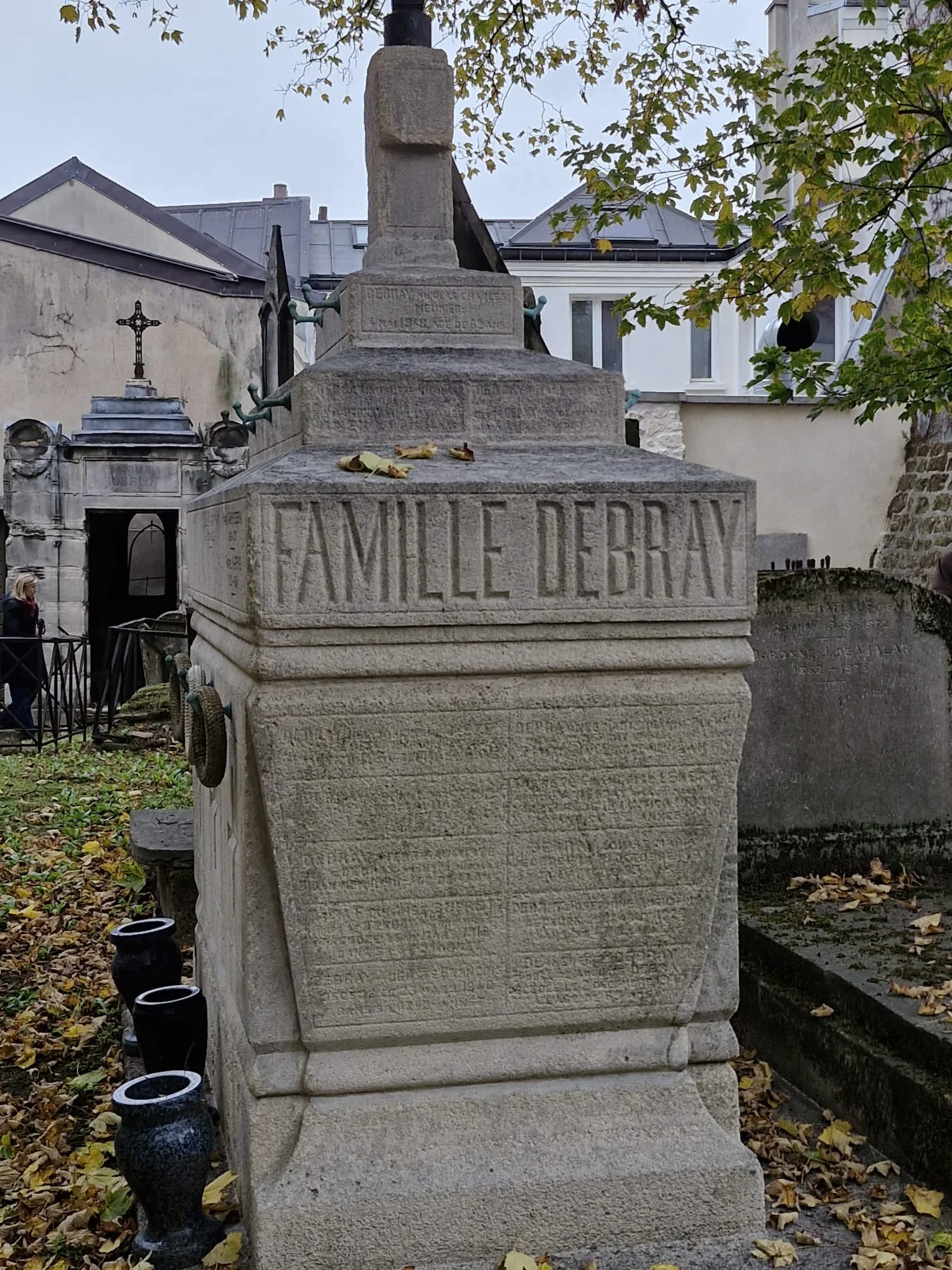
The cemetery closed permanently to new burials in 1823 due to lack of space, though a few additional interments were granted until 1831, when the nearby Saint-Vincent Cemetery opened. Today, the plots are perpetual concessions, still belonging to descendants of the original families. The most recent burial was in 2010: Jean Varenne of the Debray family.
Notable Figures Buried at Le Calvaire Cemetery
Several notable figures rest here:
Louis-Antoine de Bougainville, explorer whose voyages gave his name to islands and a tropical flower, lies here with his family.
Étienne-Alexandre Bernier, former leader of the Vendée uprising and later bishop of Orléans.
The Rigaud de Vaudreuil family, aristocrats of the Ancien Régime, including generals and deputies.
Antoine Portal, physician to Louis XVIII and Charles X, founder of the French Academy of Medicine.
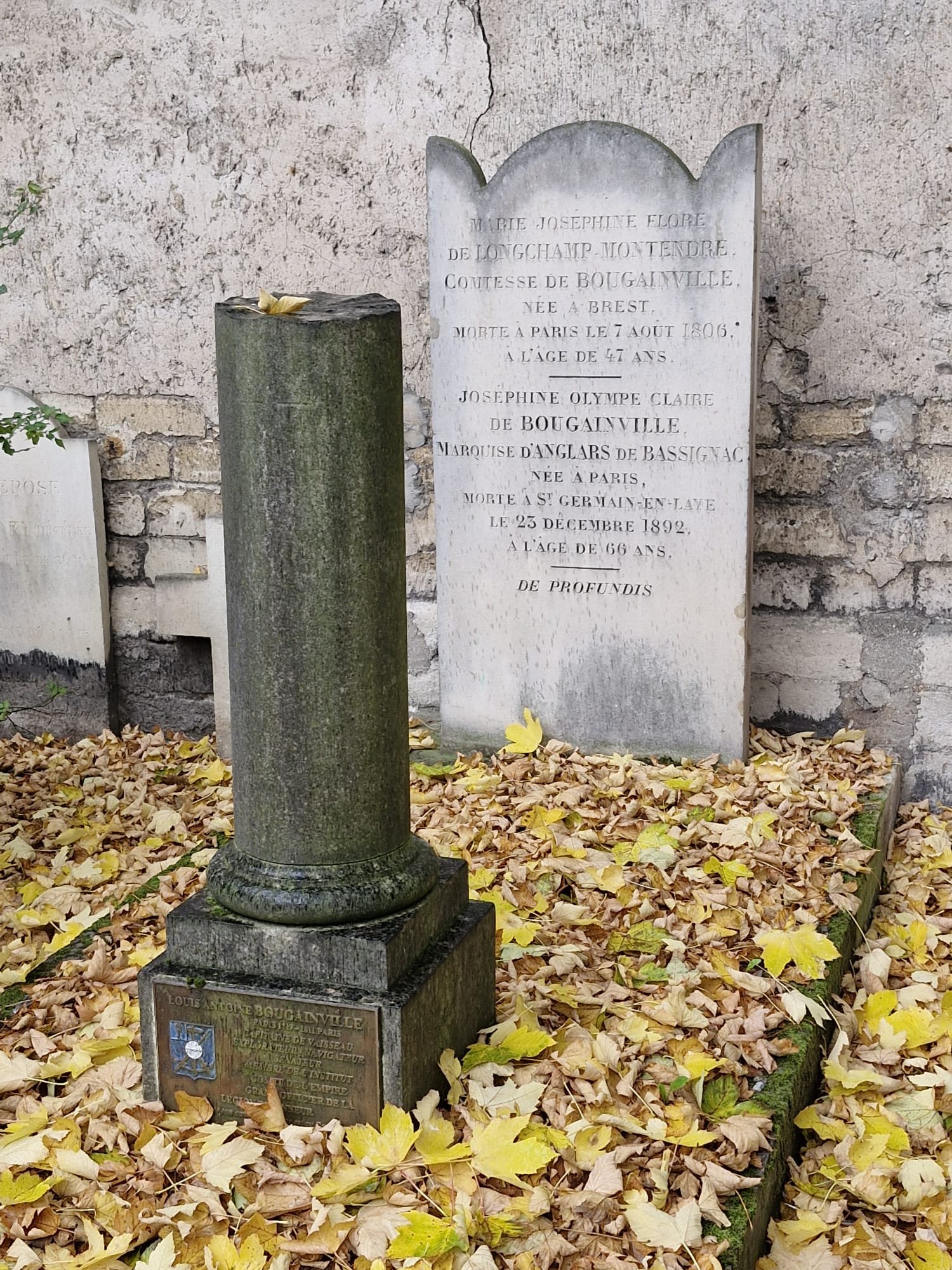
Local Montmartre history is also visible in the cemetery:
The Debray family, owners of the Moulin de la Galette, have a tomb marked by a small windmill, referencing their guinguette at the foot of the Blute-Fin mill.
Félix Desportes, Montmartre’s first mayor, is buried nearby.
Members of the Feutrier family, former owners of the Château Rouge before it became a famous dance hall.
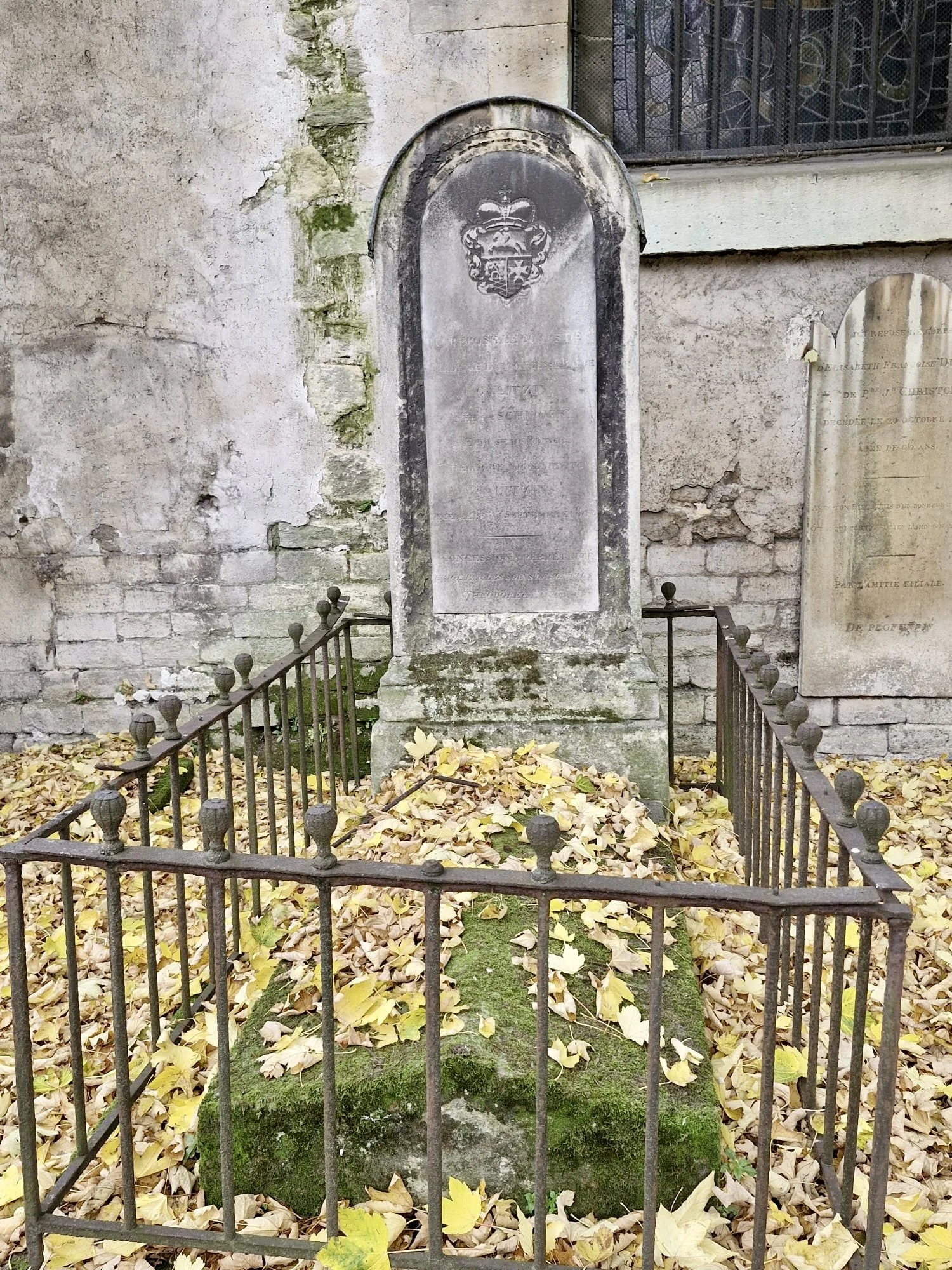
Sophie Swetchine, a Russian woman of letters who hosted a Parisian salon, is buried here with her husband, Count Nicolas Swetchine.
The sculptor Jean-Baptiste Pigalle was once interred here, though his tomb has disappeared.
Experiencing Le Calvaire Cemetery on All Saints’ Day
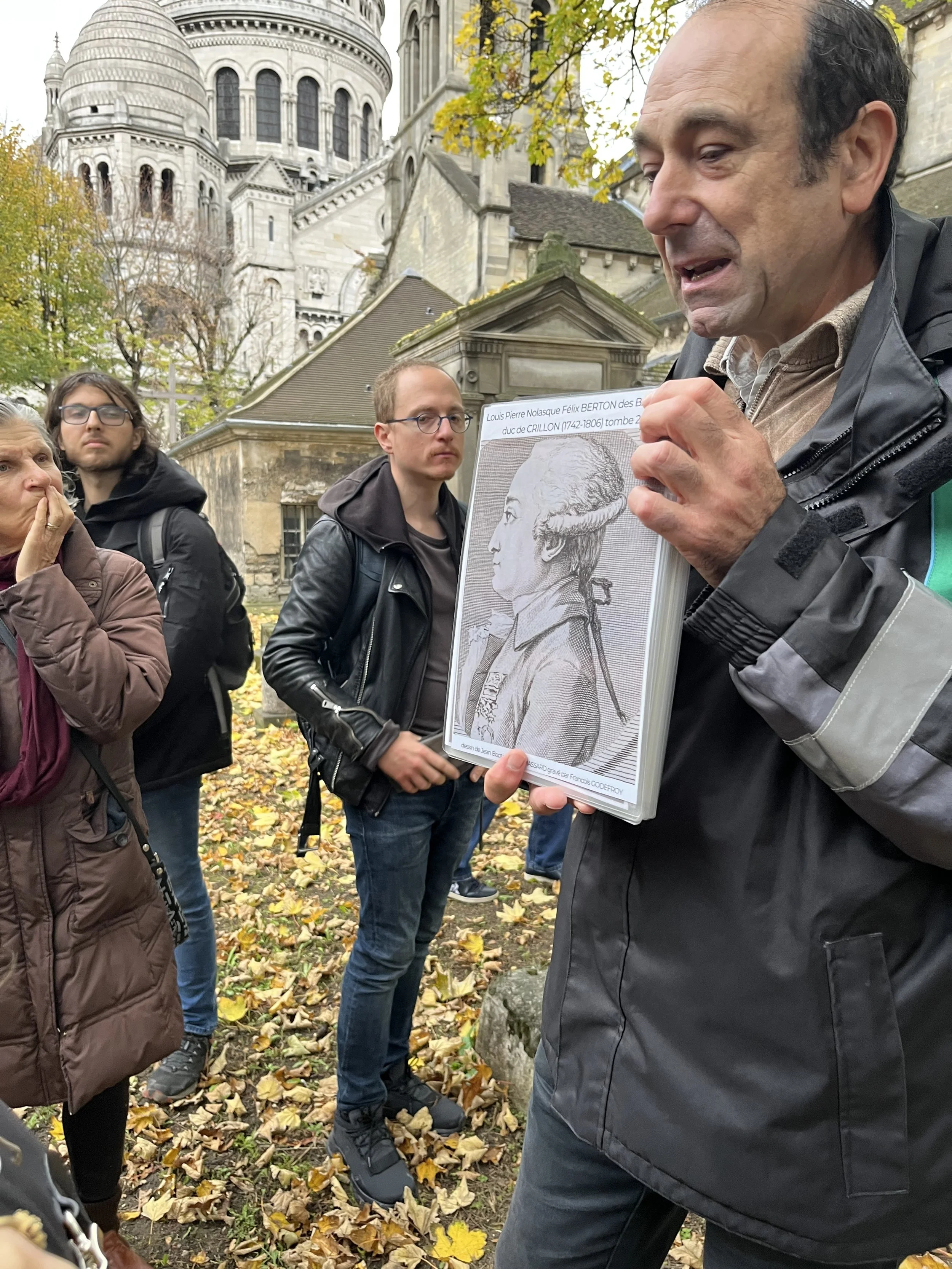
Visiting Le Calvaire feels less like touring a monument and more like witnessing a quiet local ritual. This morning, residents and a few visitors gathered at the gates of Saint-Pierre as they opened. There were no guides, no signs, no official tours—just caretakers answering questions. The paths were damp with autumn leaves, and each family plot seemed to tell a story: aristocrats who fled and returned, millers who worked the wind, priests who rebuilt their parish after revolution.
For most of the year, the Calvaire remains closed, silent behind its bronze gate, hidden from the crowds at Place du Tertre. Seeing it today, after years of waiting, felt like finally checking off a quiet Paris dream.
Location and Visiting Information
Le Calvaire Cemetery is directly behind Saint-Pierre de Montmartre, at the top of the Butte, next to the Sacré-Cœur Basilica. The entrance is through the courtyard of Saint-Pierre (2 Rue du Mont-Cenis, 75018 Paris).
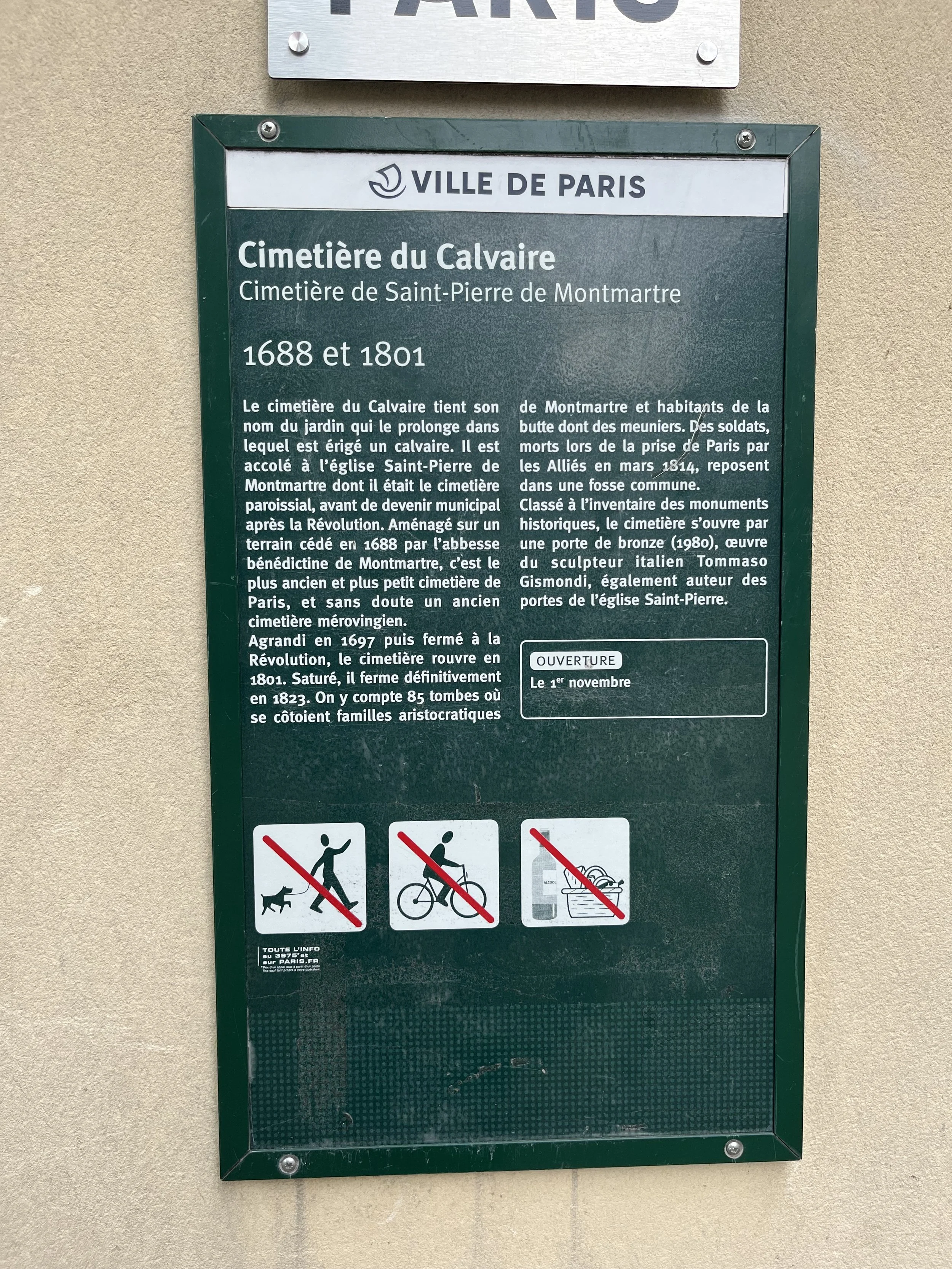
It is open only once a year, on November 1 (All Saints’ Day), from 9:30 a.m. to 5 p.m. (last entry at 4:30 p.m.). Admission is free, and no registration or ticket is required. The site is small, and visits typically take 15–20 minutes. Photography is permitted.
Arrive early: the gate closes promptly at 5 p.m., and it won’t reopen until the following year.
All Saints’ Day Traditions in Paris
All Saints’ Day, or La Toussaint, is one of the busiest days of the year for Parisian cemeteries. Families visit to honor deceased relatives, placing chrysanthemums or other flowers on graves. Churches and cemeteries across France are full of quiet reflection, creating a moment of reverence and remembrance. Visiting Le Calvaire during this tradition connects a hidden corner of Montmartre to centuries of local devotion and offers a glimpse of Paris that most tourists never see.