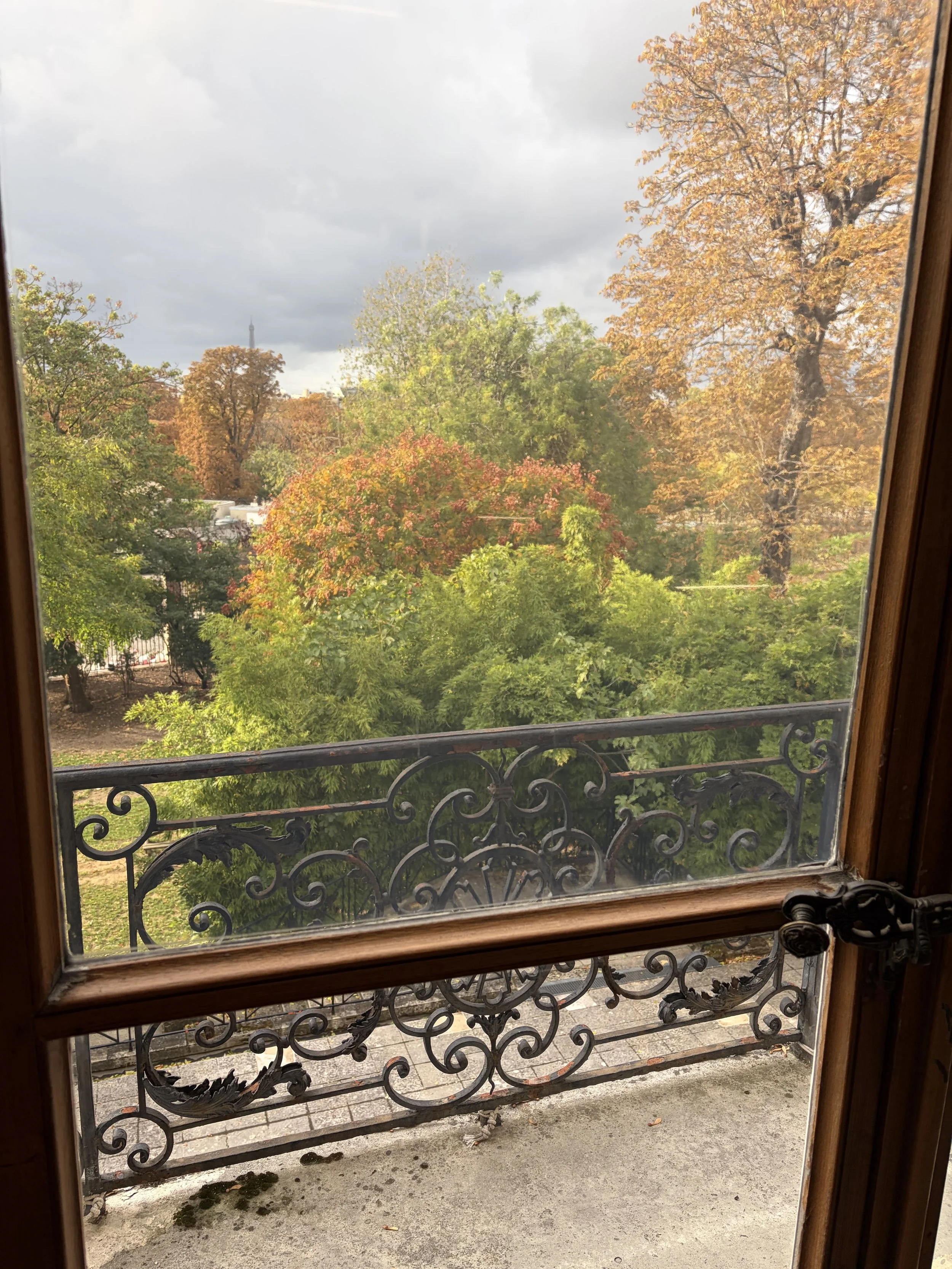
From Minerals to Masterpieces: A Paris Tour Guide’s Discovery
It’s les vacances de la Toussaint here in France — the two-week school holiday in autumn. Normally, we’d be off to Brittany, the US, or somewhere else in Europe, making the most of the break. But this year is a little different. My boys are in the thick of their final year of high school, with exams and university applications taking over just about everything, so we’ve stayed closer to home.
And actually, it’s been rather lovely. I’ve been playing tourist in Paris with my sons, visiting museums and places I’ve never managed to see properly, despite working as a licensed Paris tour guide. Of course, demonstrations and protests continue to take place in Paris on Saturdays, and there have been some incidents of looting and rioting. With the presidential election six months away, political debate is becoming increasingly visible. But despite the headlines, Paris is not burning, and everyday life continues alongside the demonstrations. It’s funny how that happens. You spend your working life showing people a city’s famous monuments, hidden corners and extraordinary collections, and yet there are still places you haven’t discovered for yourself.
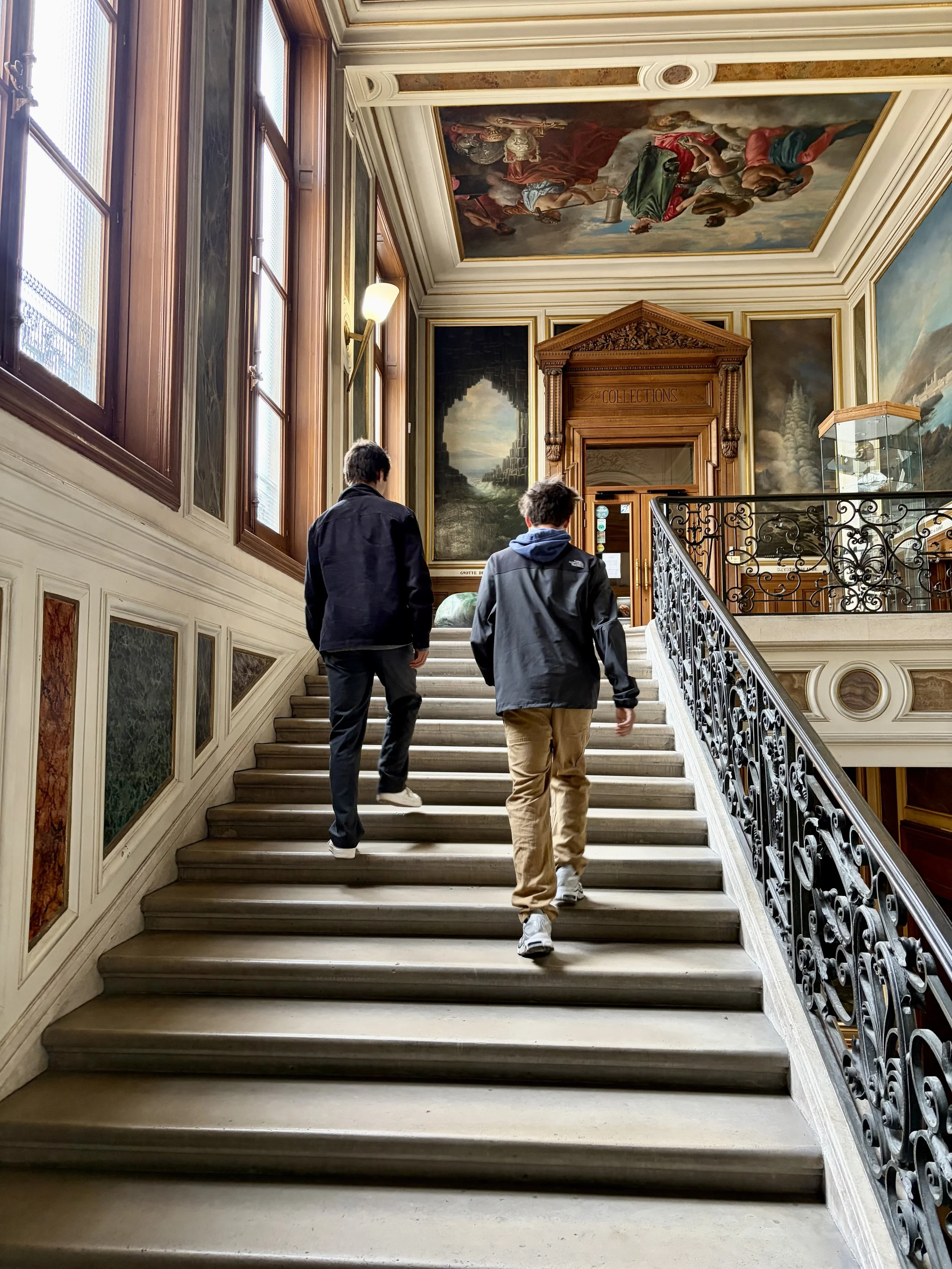
One of those places is the Musée de Minéralogie at Mines Paris – PSL, tucked inside the historic École des Mines on boulevard Saint-Michel.
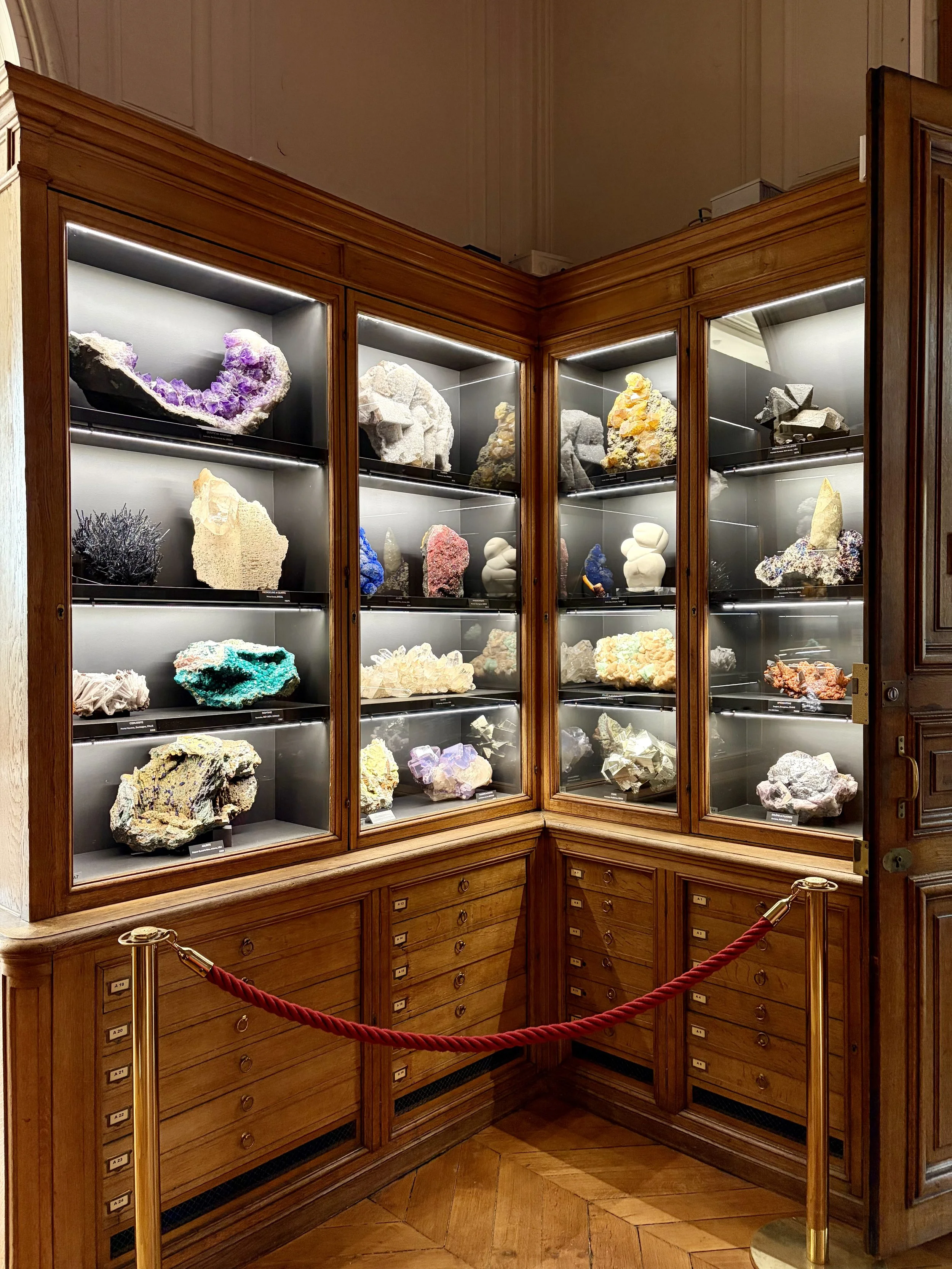
I know what you might be thinking: a museum full of rocks? But bear with me. Inside is an extraordinary collection of minerals, crystals and gemstones. Deep blues, brilliant greens, fiery oranges, delicate pinks and glittering metallic surfaces — some specimens look almost too beautiful to be real.
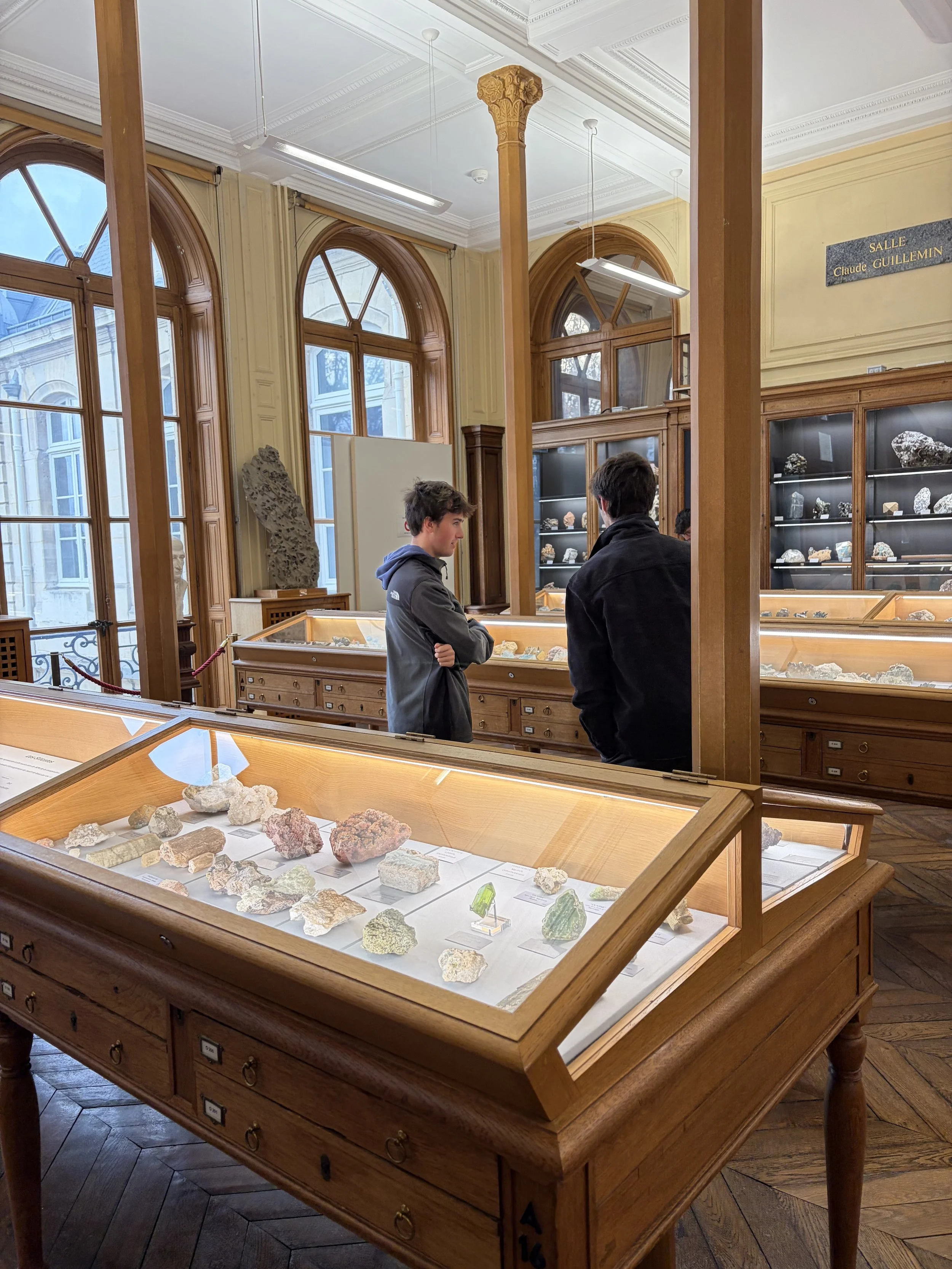
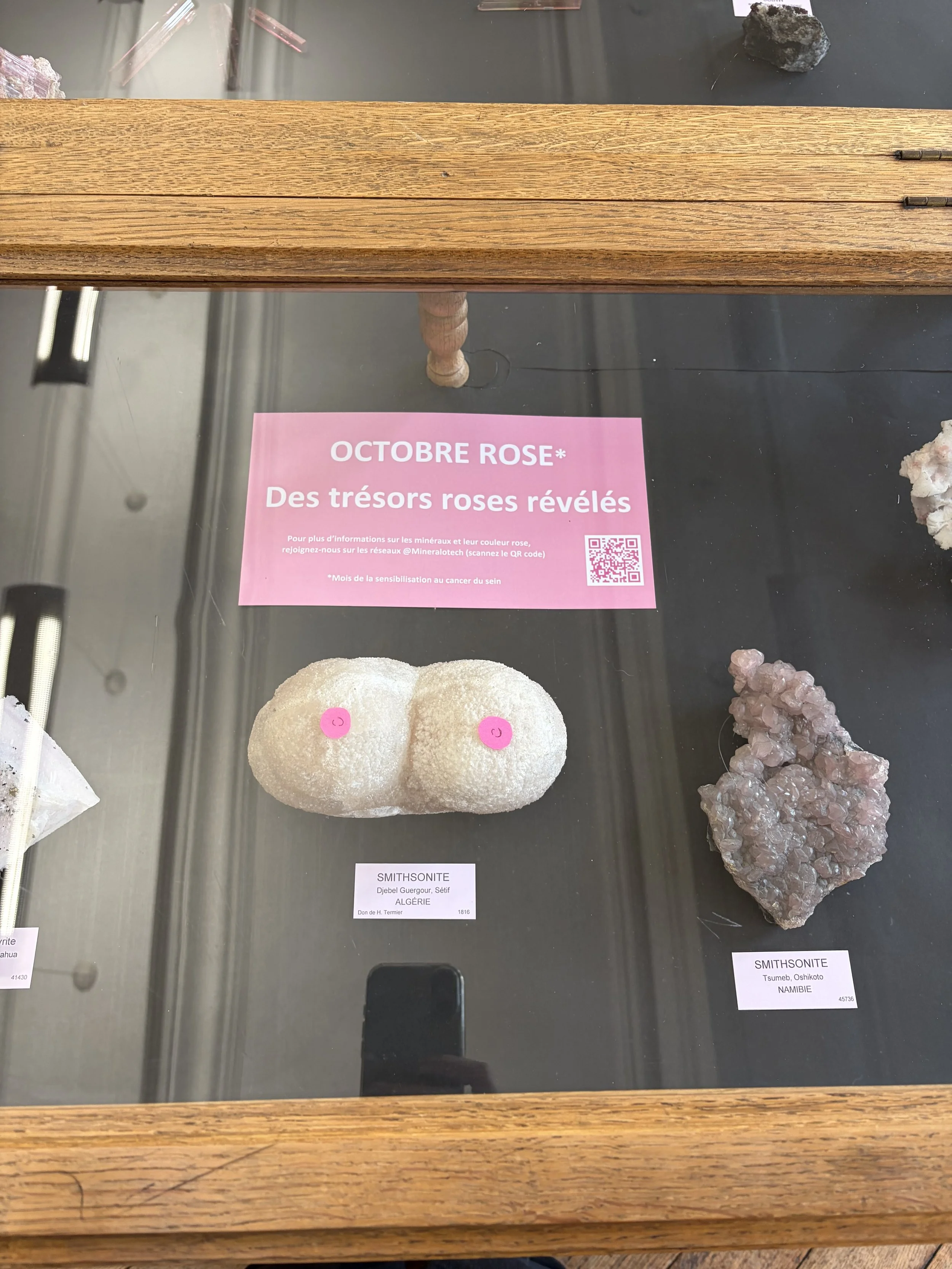
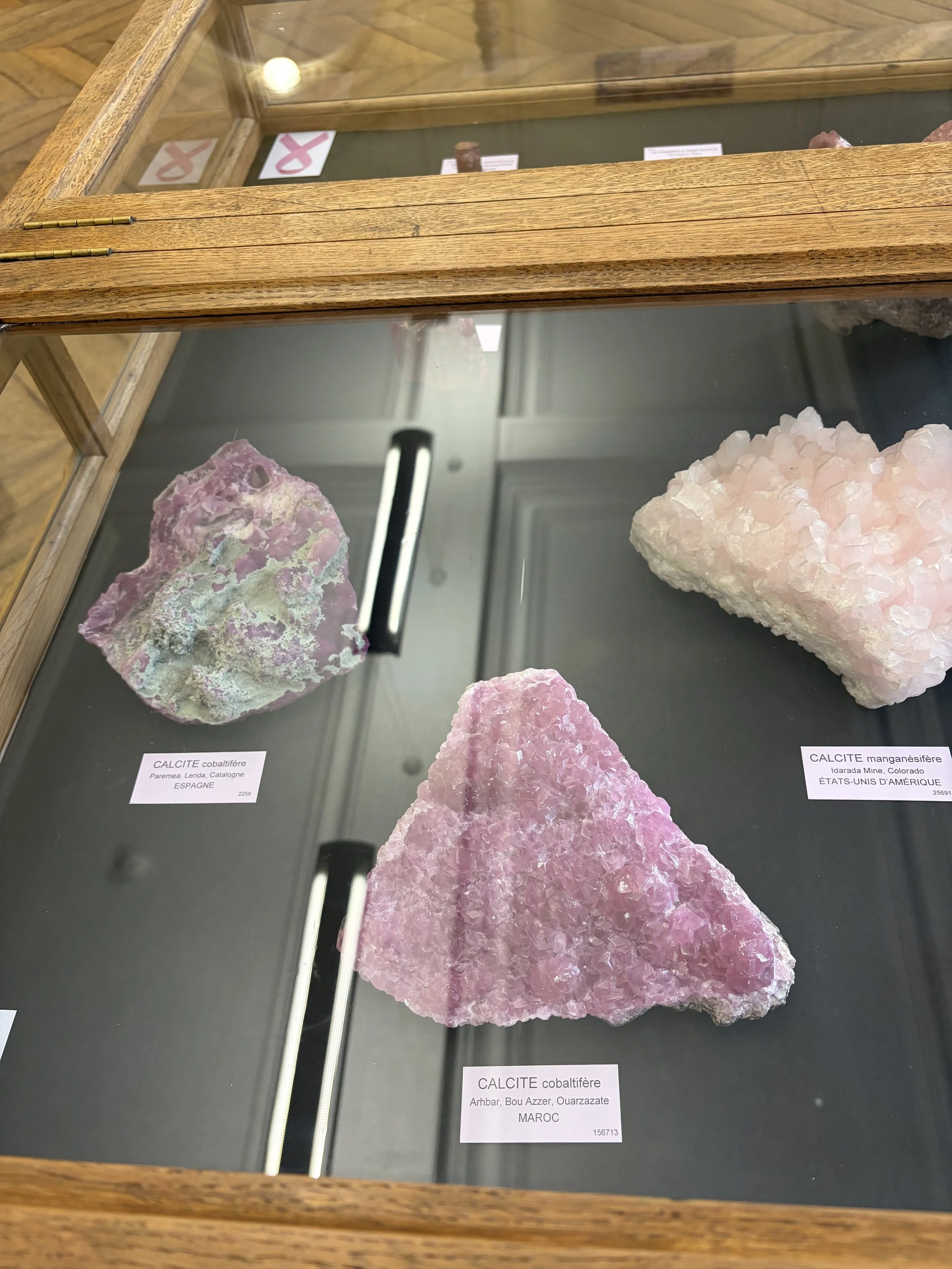
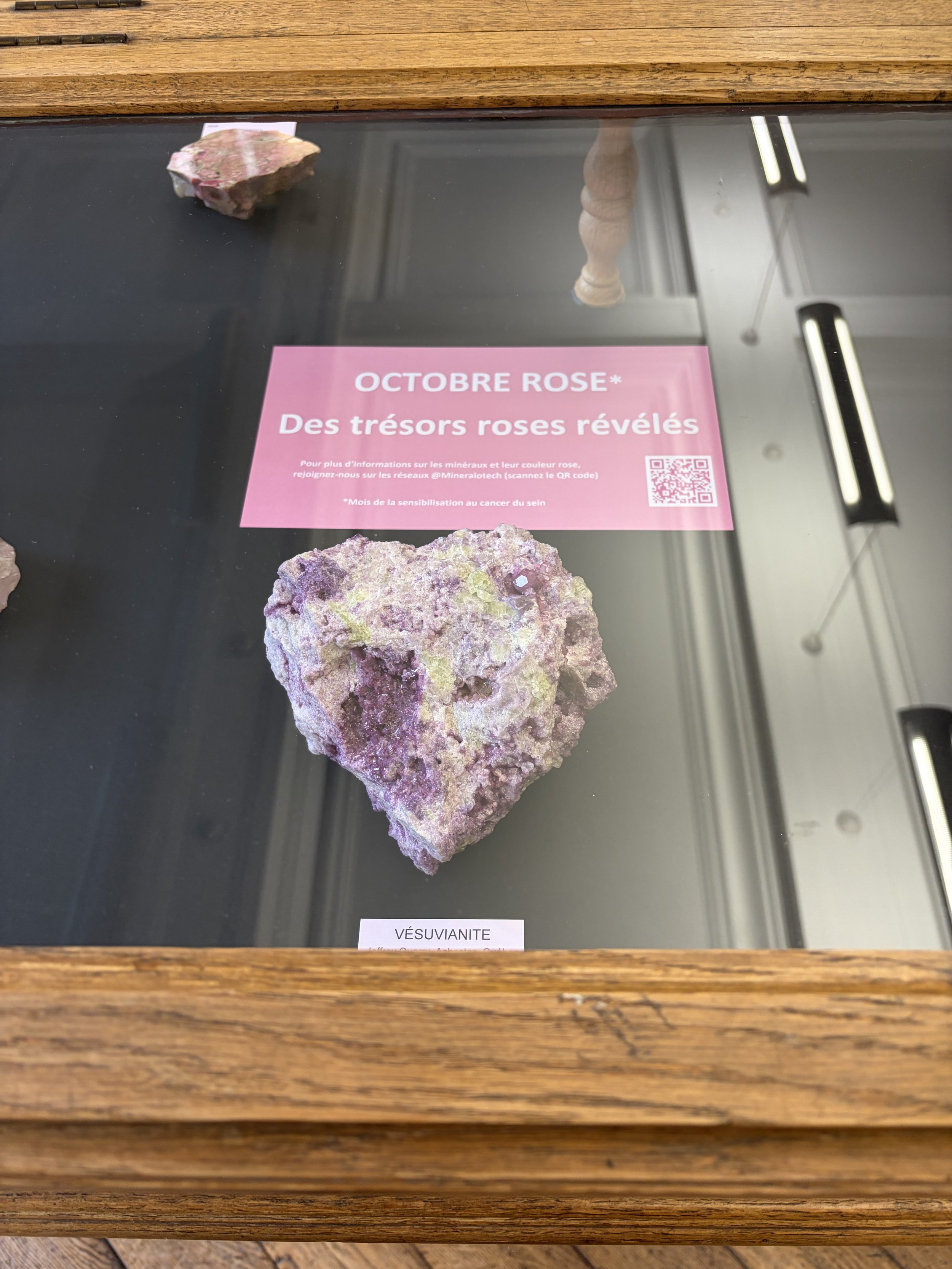
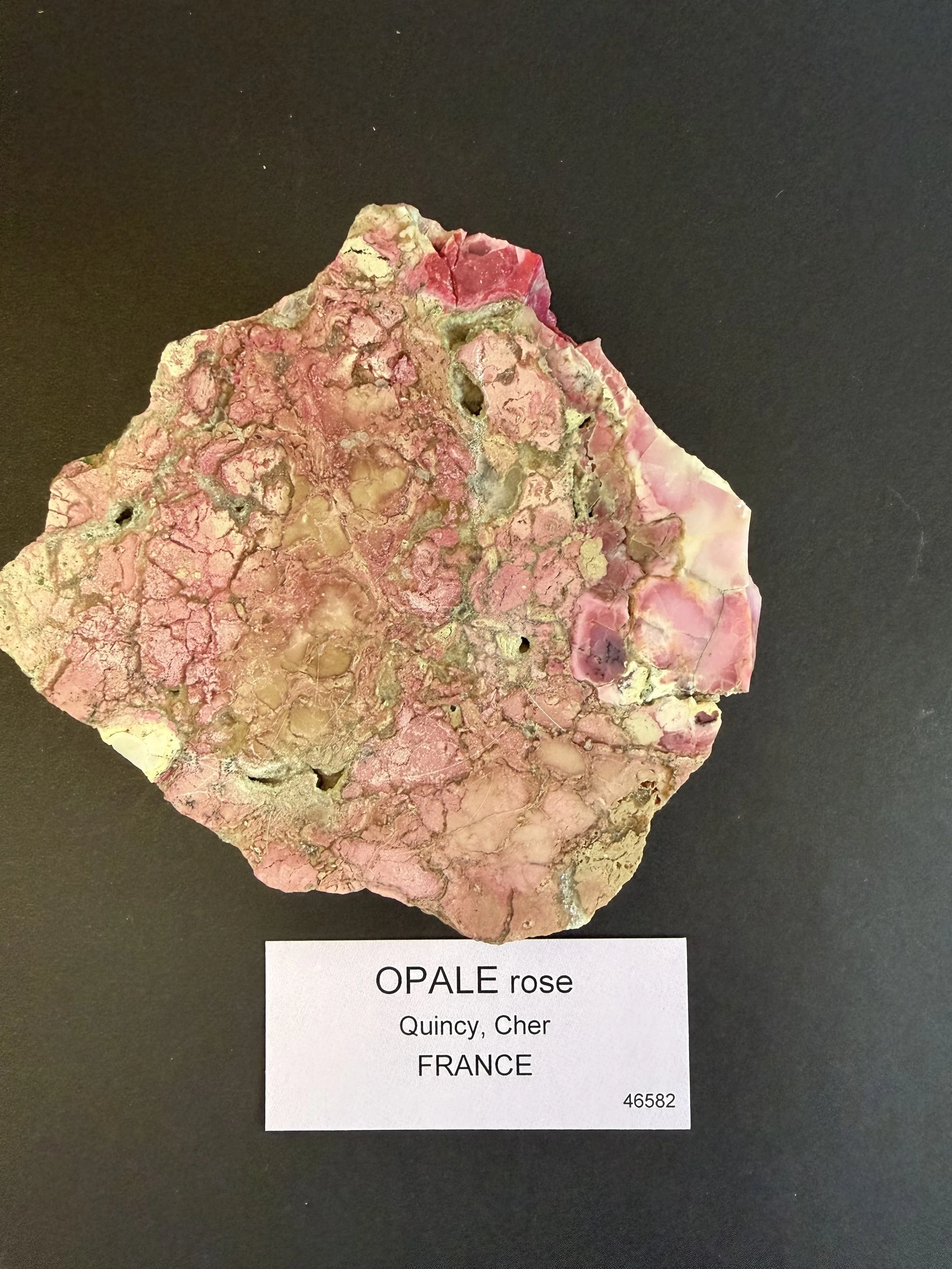
When we visited, there was also an October rose exhibition featuring pink-coloured stones. It was a lovely seasonal addition, showing just how many shades of pink can be found in the mineral world. And someone involved in the exhibition clearly had a definite sense of humour! It was an unexpected touch of fun among the scientific displays, and a reminder that even a museum devoted to mineralogy can have a playful side.
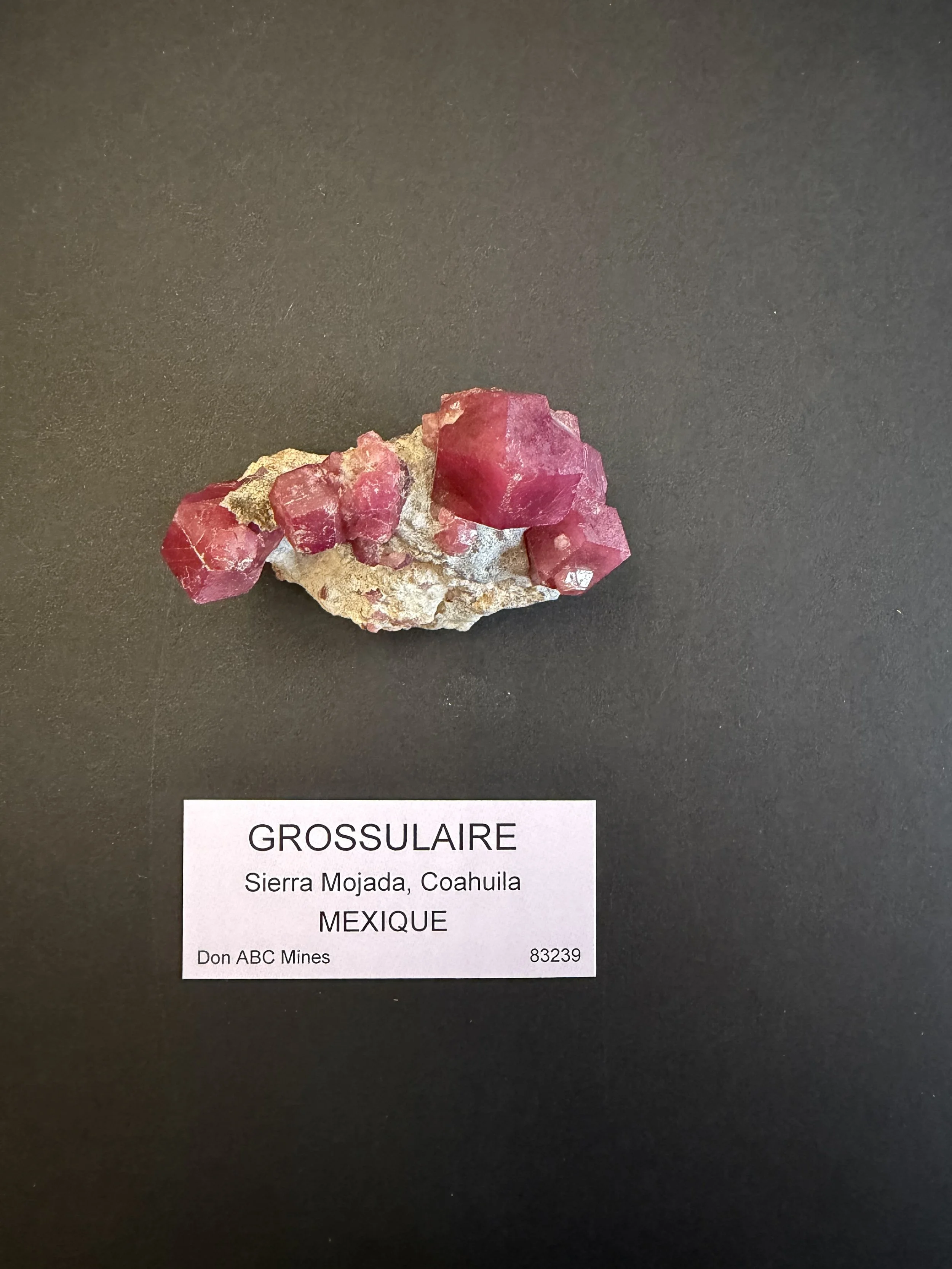

What particularly caught my attention, however, was the connection between these minerals and the world of painting.
When we look at paintings, colour is often one of the first things that draws us in. Think of the brilliant yellows in Van Gogh’s Sunflowers, the deep blues that once made certain pigments more precious than gold, or the subtle whites and shadows that give a face its shape and expression. We talk about artists, their lives, their techniques and what they were trying to convey. But how often do we stop to consider where those colours actually came from?
Some began as minerals extracted from the earth, transported across continents, ground into powders and transformed into pigments. Others were created through chemical processes that represented significant advances in their day. And over time, some of these materials have changed, meaning that the paintings we admire today may not look exactly as their artists intended.
Suddenly, a room full of rocks becomes much more interesting.
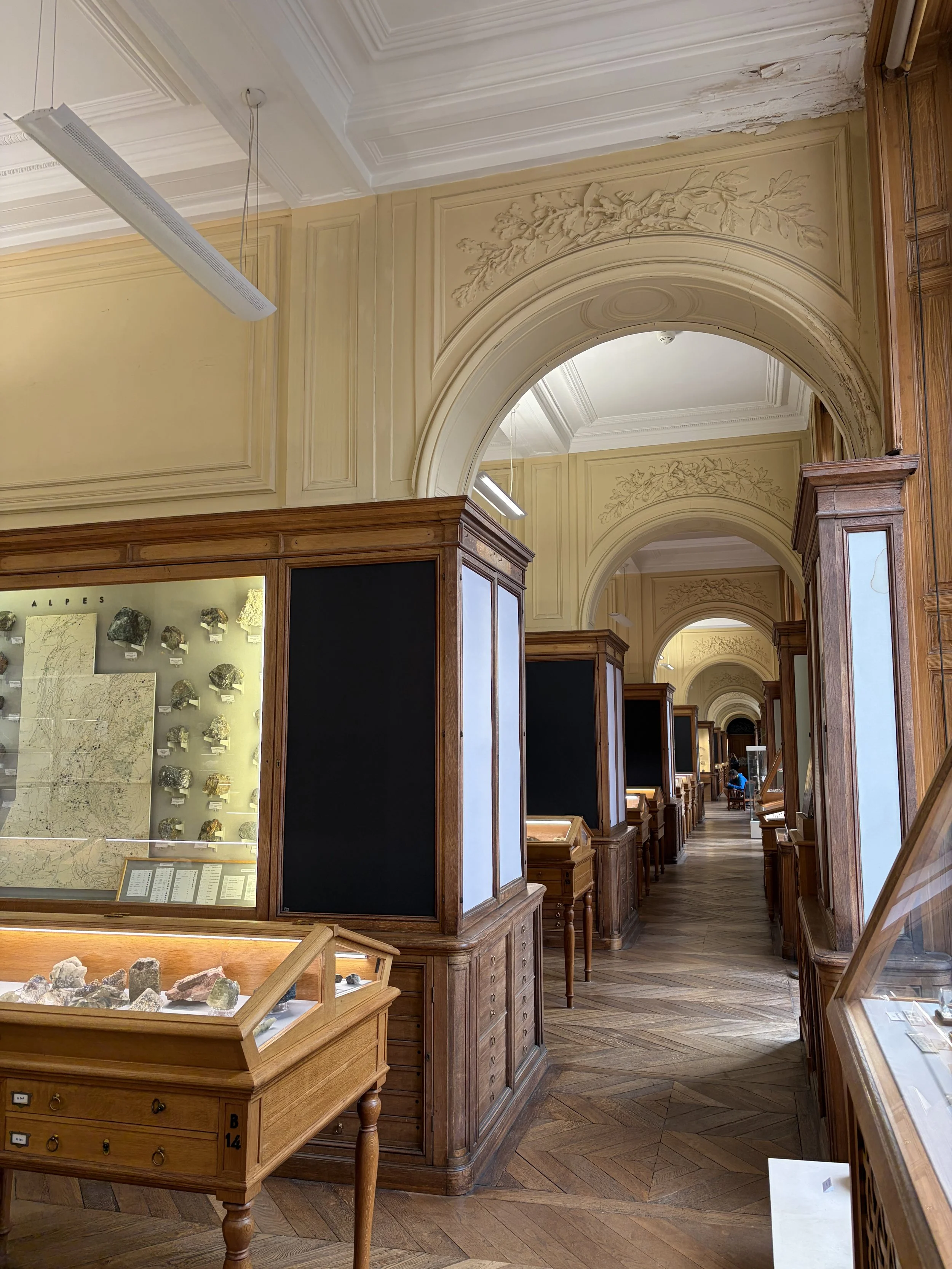
The Musée de Minéralogie: A Hidden Museum in Paris with a Fascinating History
The Musée de Minéralogie belongs to Mines Paris – PSL, one of France’s historic engineering schools. Founded in 1783, the École des Mines developed at a time when knowledge of geology, mining and natural resources was becoming increasingly important to France’s industry and economy.
Minerals were not collected simply because they were beautiful. They were essential scientific specimens, helping researchers understand the composition of the earth, identify useful materials and improve mining techniques. A well-organised mineral collection was an important resource for teaching and research.
The collection was organised in 1794, and one of the important figures associated with its early development was René Just Haüy, the French mineralogist often regarded as one of the founders of modern crystallography. His work on the structure of crystals helped establish a more systematic scientific understanding of minerals.
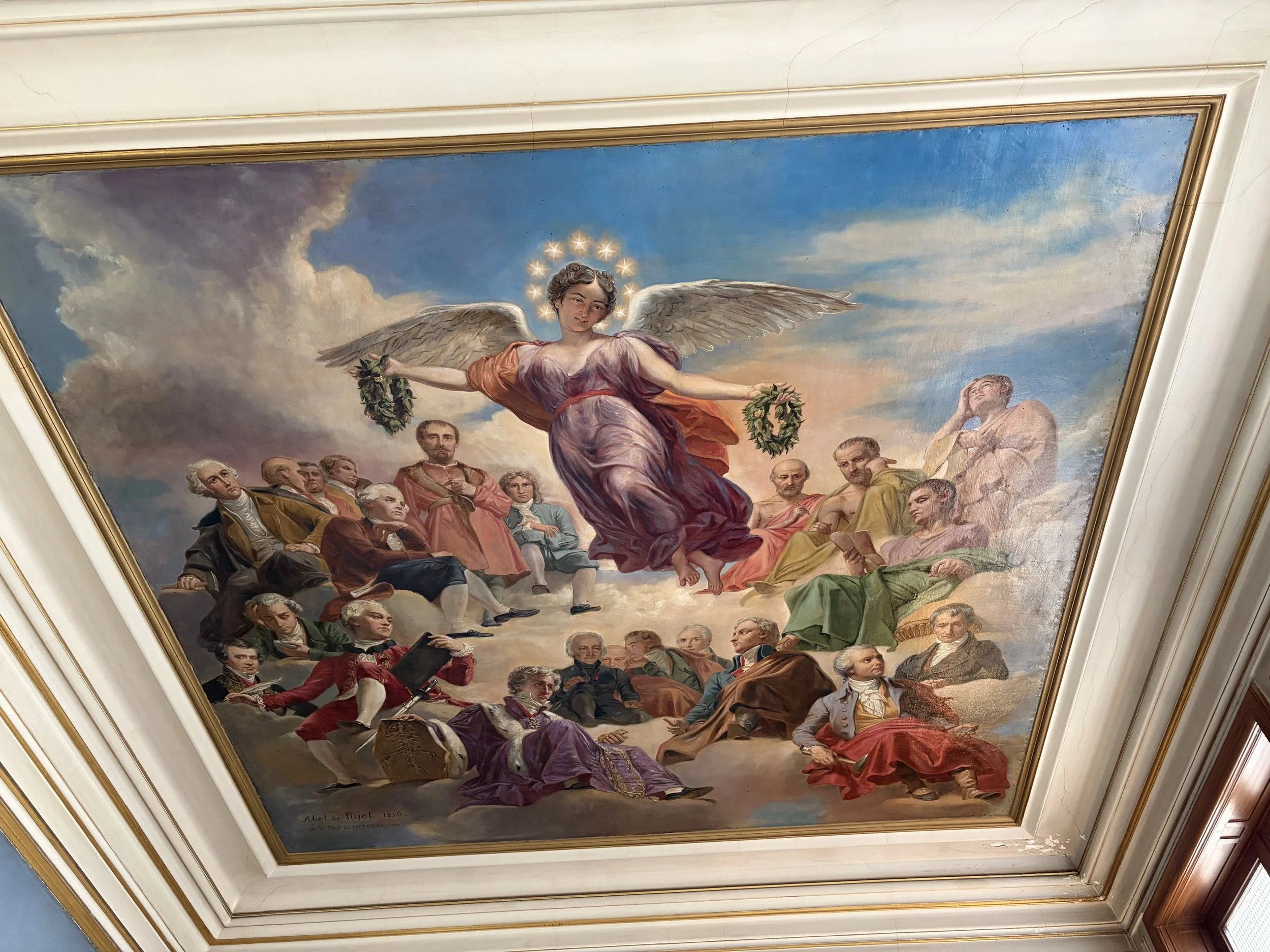
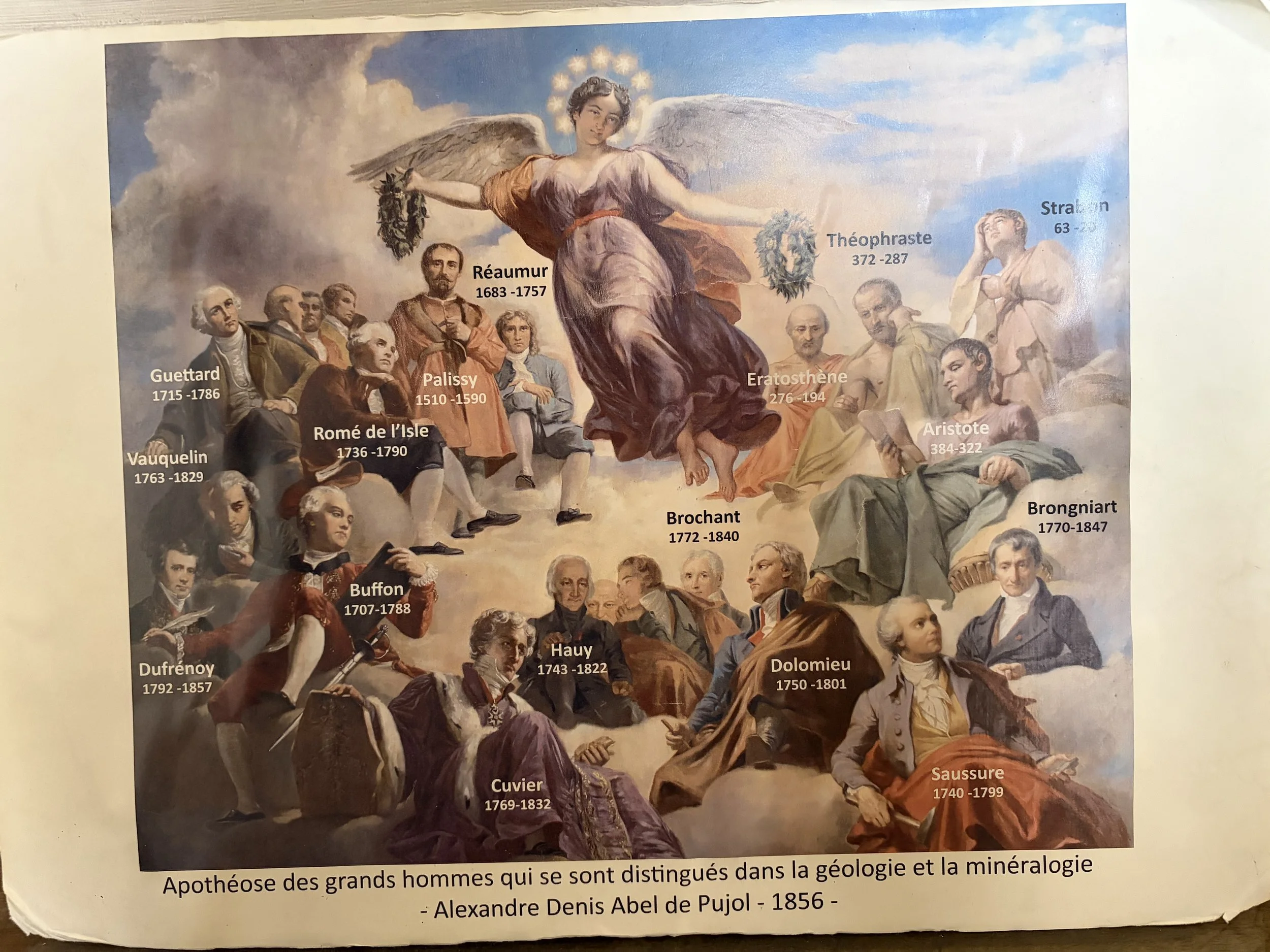
The school moved to the Hôtel de Vendôme, on what is now boulevard Saint-Michel, in 1815. The museum’s historic display cases date from 1842, giving the collection a wonderful sense of continuity. Walking among them, you are surrounded by specimens that have been studied, classified and admired for generations.
There is something fascinating about a collection built up over centuries. Each specimen tells us something about the natural world, but also about the history of science: what people knew, what they were trying to understand and how their knowledge developed.
And then there are the colours.
Van Gogh’s Sunflowers: The Story Behind the Yellow Paint
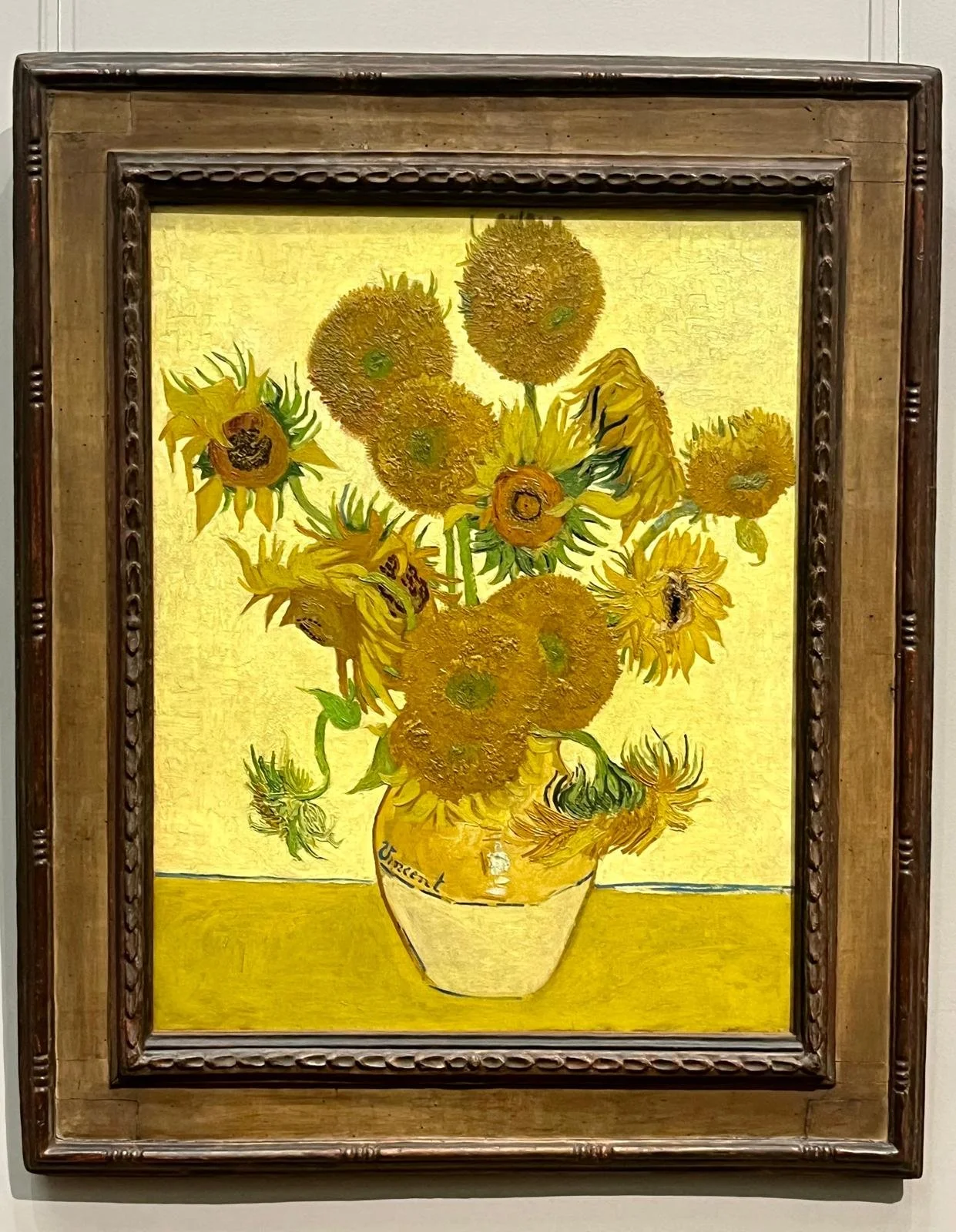
My photo from the National Gallery in October 2025
Although I don’t get the pleasure of showing Van Gogh’s Sunflowers on my Paris tours — the paintings are elsewhere — it is one of those works of art that almost everyone recognises. Different versions can be seen in collections around the world, including the National Gallery in London, the Van Gogh Museum in Amsterdam and the Sompo Museum of Art in Tokyo. Even if we haven’t stood in front of one of the originals, we are familiar with those brilliant yellow flowers and the unmistakable energy of Van Gogh’s brushwork.
But have you ever wondered where that extraordinary yellow came from?
One pigment Van Gogh used was chrome yellow, a lead chromate-based pigment capable of producing bright, powerful yellows. Yellow was central to his artistic language, and he experimented with different shades and combinations to achieve the effects he wanted.
Chrome yellow was manufactured rather than simply obtained by grinding up a mineral. Nevertheless, its chemistry connects it directly to the mineral world. Advances in chemistry during the nineteenth century made new pigments available to artists, expanding the range of colours they could use.
It is worth distinguishing chrome yellow from chromite, a different chromium-bearing mineral. There is also crocoite, a naturally occurring lead chromate mineral with a striking orange-red colour. The names may sound similar, but the materials are different.
The story does not end when the paint is applied to the canvas. Some chrome yellow pigments can darken or change colour over time as they react with light and their surroundings. Researchers have studied changes in Van Gogh’s paintings to understand how these pigments have aged.
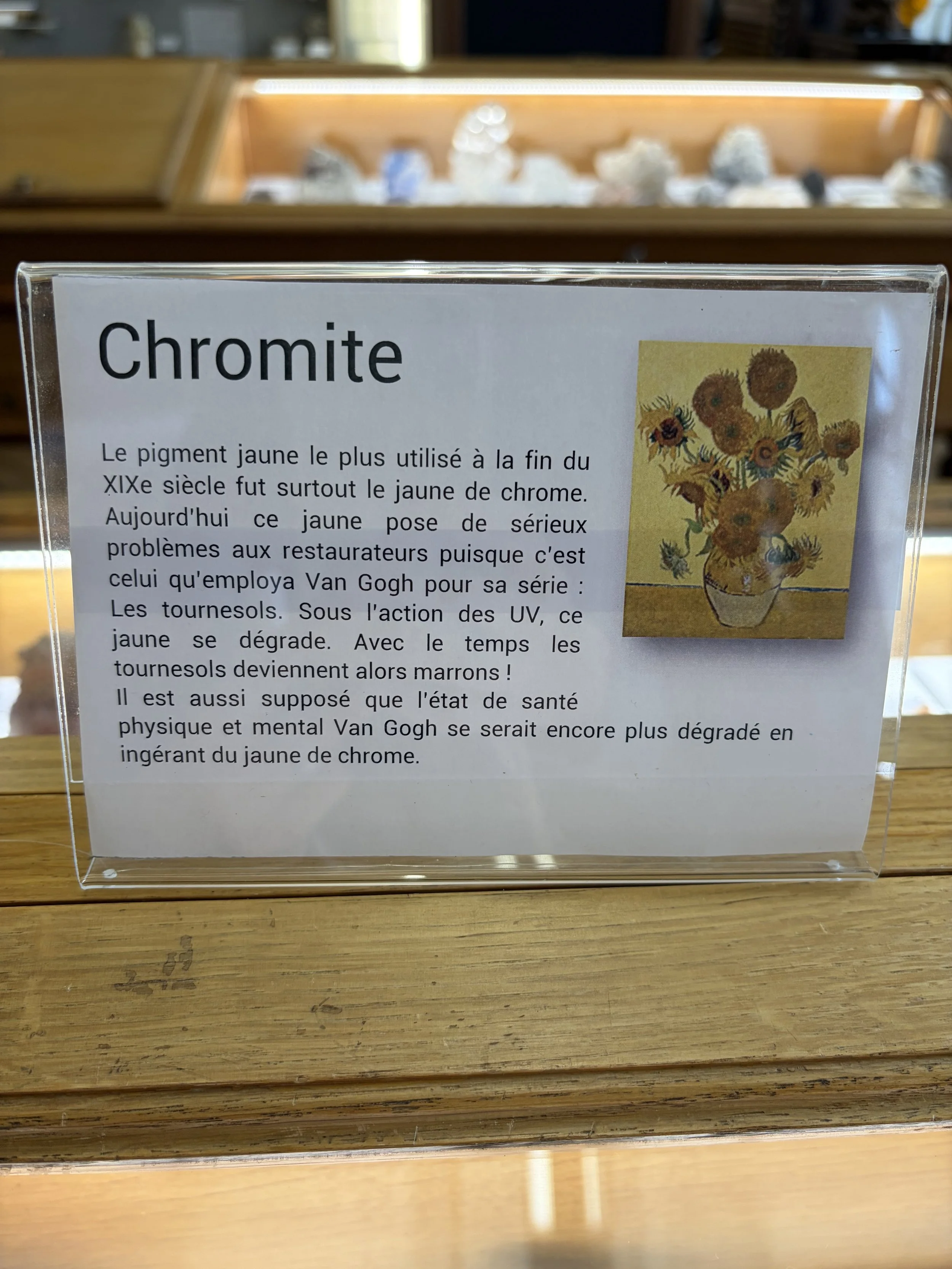
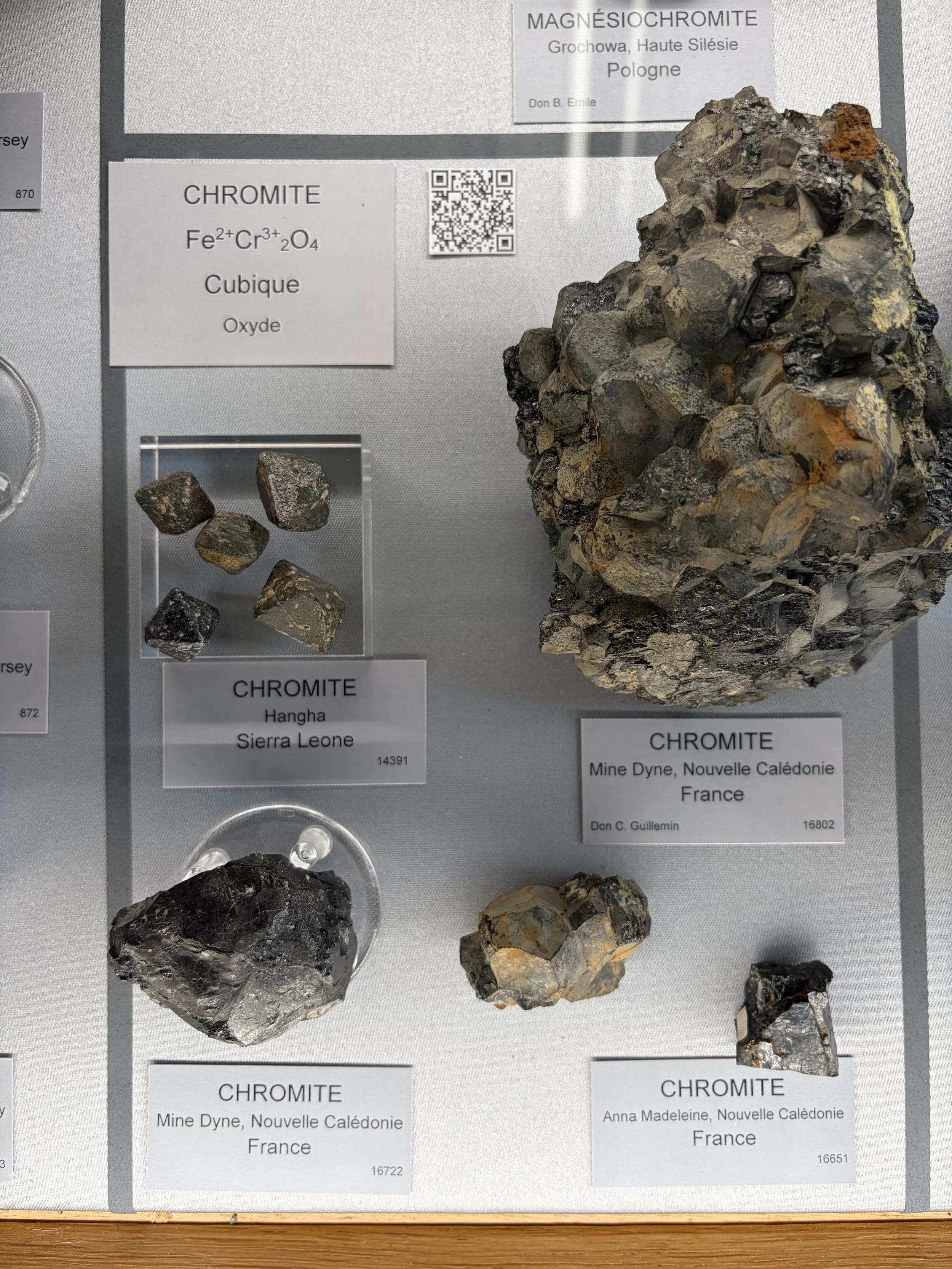
We tend to think of paintings as fixed objects, but their materials continue to respond to the world around them. The yellow we see today may not be exactly the yellow Van Gogh originally intended. It is a reminder that a painting is not only a work of art, but also a physical object shaped by chemistry and time.
Lapis Lazuli: Why Blue Was Once Worth a Fortune
Blue has its own remarkable history in art. For centuries, some of the most prized pigments were expensive, difficult to obtain or complicated to manufacture.
Lapis lazuli is a vivid blue stone historically sourced from a limited number of places, particularly in what is now Afghanistan. When carefully processed, it could be used to produce ultramarine, one of the most prestigious blue pigments in European painting.
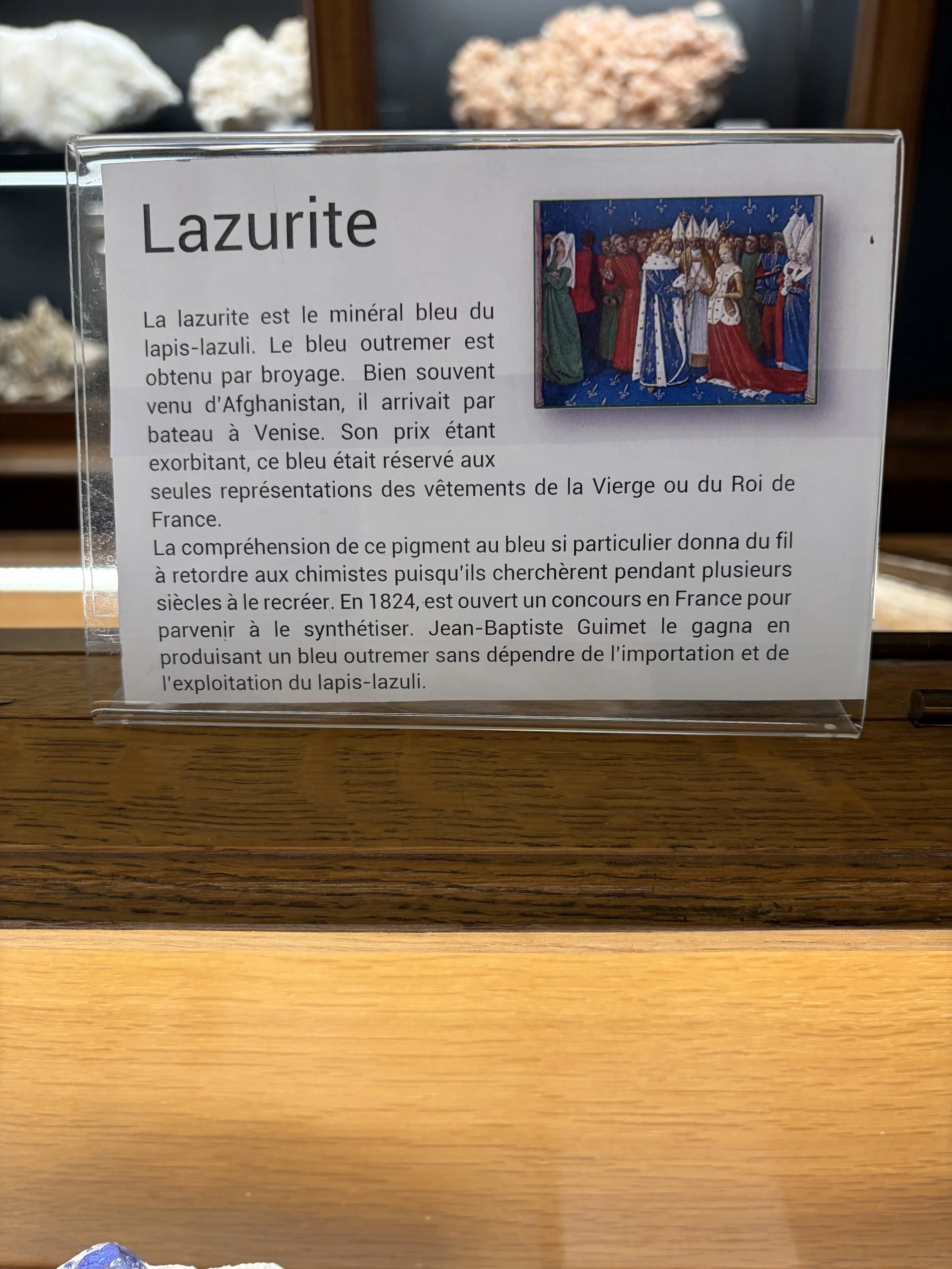
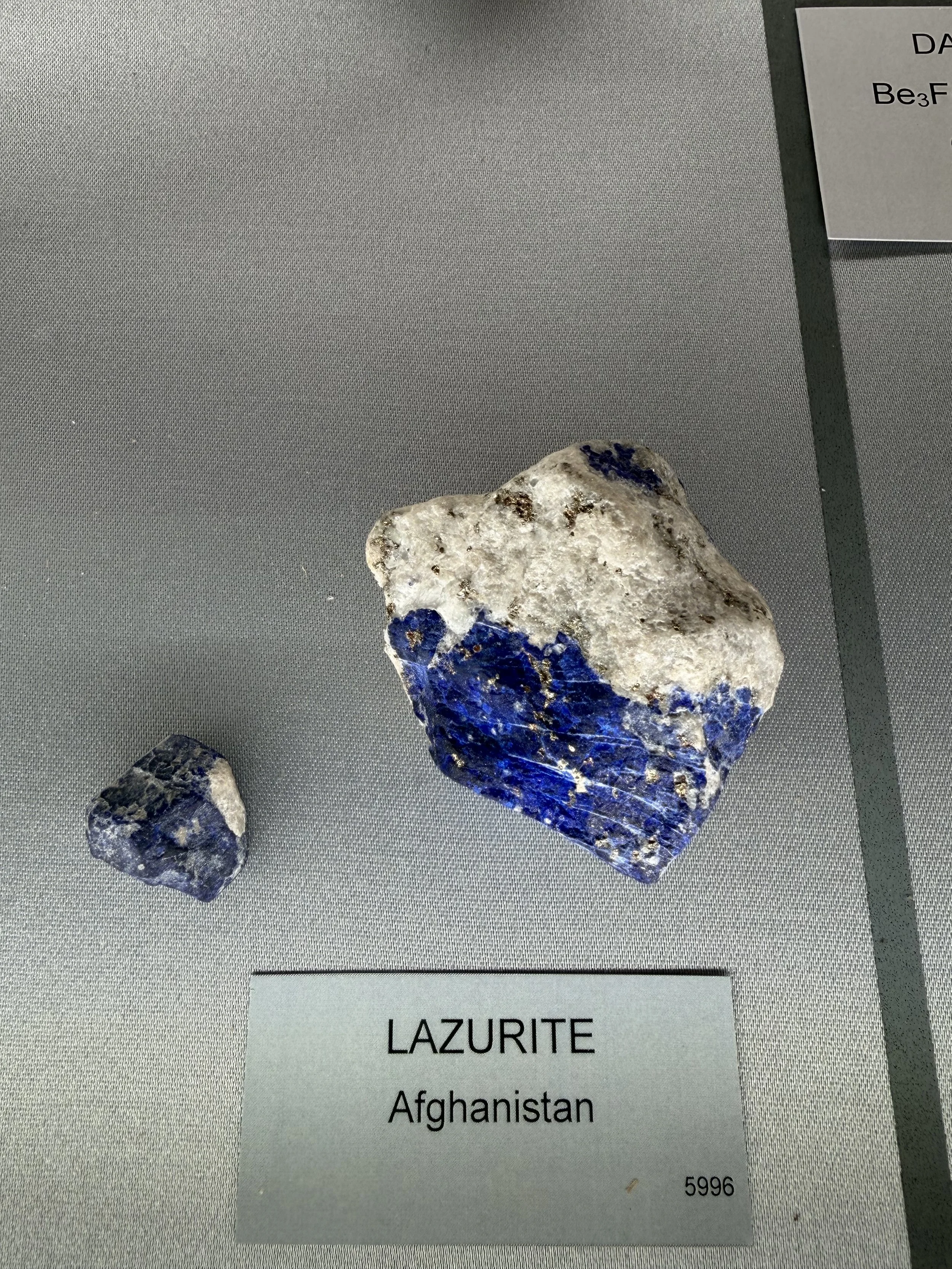
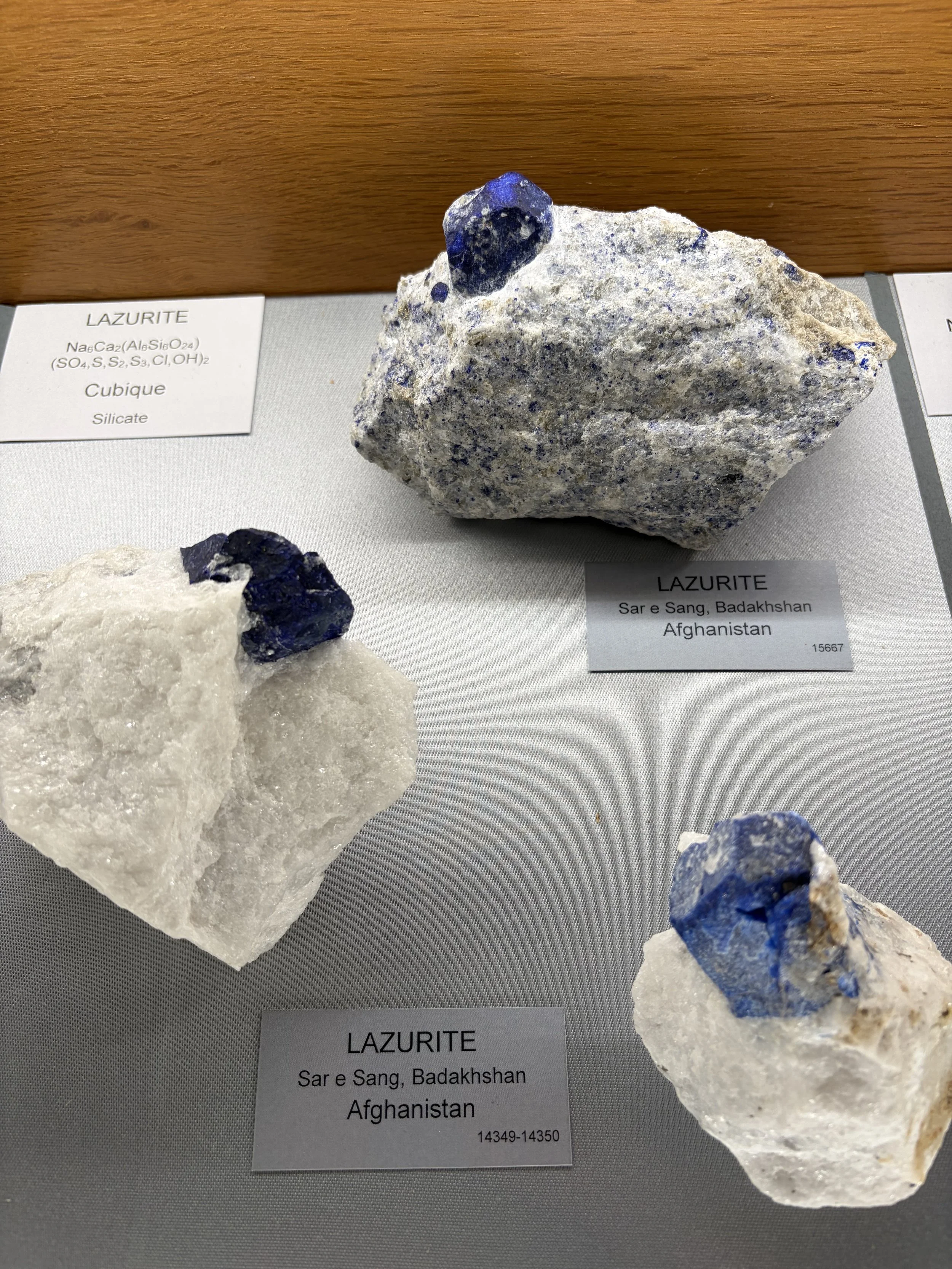
Producing natural ultramarine was labour-intensive, which helps explain its extraordinary cost. In certain periods, it could rival or even exceed the price of gold. Artists and patrons therefore had to think carefully about where it would be used. Contracts sometimes specified which parts of a painting should receive this precious blue.
Imagine having to consider the cost of a particular colour before deciding how to paint a robe or a background.
Today, we can buy paint in almost any shade imaginable. For earlier artists, colour was constrained by geography, trade, technology and cost. A pigment might travel thousands of kilometres before reaching a painter’s workshop.
Behind a beautiful blue, then, lies a much larger story: distant mines, international trade, skilled craftspeople and the scientific knowledge required to transform a stone into a pigment.
It is a useful reminder that colour in art has never been purely decorative. It has also reflected wealth, power, commerce and technological progress.
Delacroix’s The Death of Sardanapalus: Colour, Drama and the Materials Behind a Painting
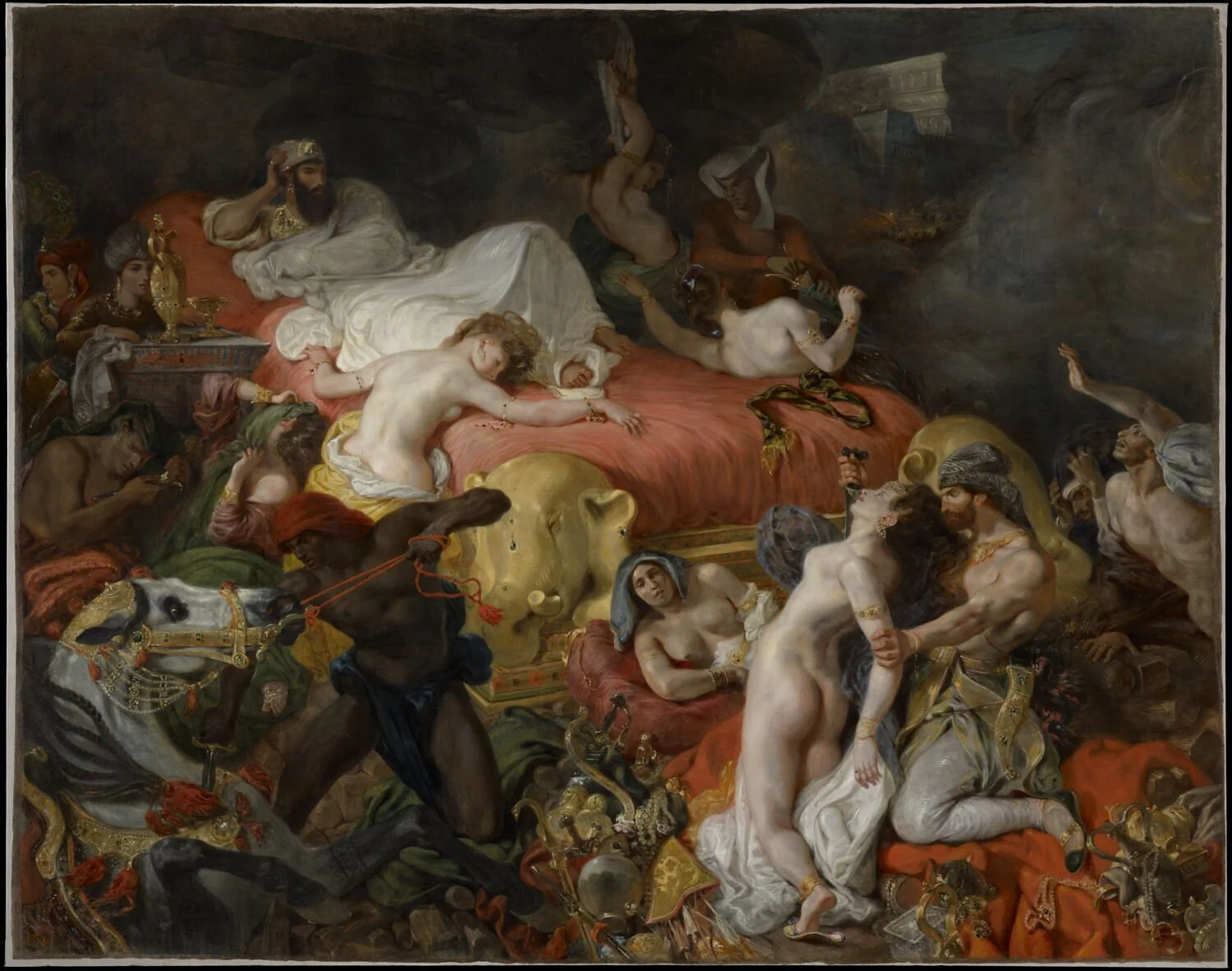
Eugène Delacroix’s The Death of Sardanapalus, painted in 1827, demonstrates how colour can intensify the drama of a composition. The sweeping arrangement of figures, rich reds and contrasts between light and shadow make the scene feel almost theatrical.
It is easy to become absorbed in the story and the movement of the figures, but the materials themselves are part of the painting’s history. Pigments mixed with a binding medium determine not only colour but also texture, transparency and the way paint behaves on a canvas.
Bitumen, for example, was used by some painters to create deep brown-black shadows and warm, transparent effects. Unfortunately, it can be unstable in oil paint, sometimes causing paint layers to soften, wrinkle or deteriorate over time. A material that initially produces a beautiful effect may ultimately threaten the work it was used to create.
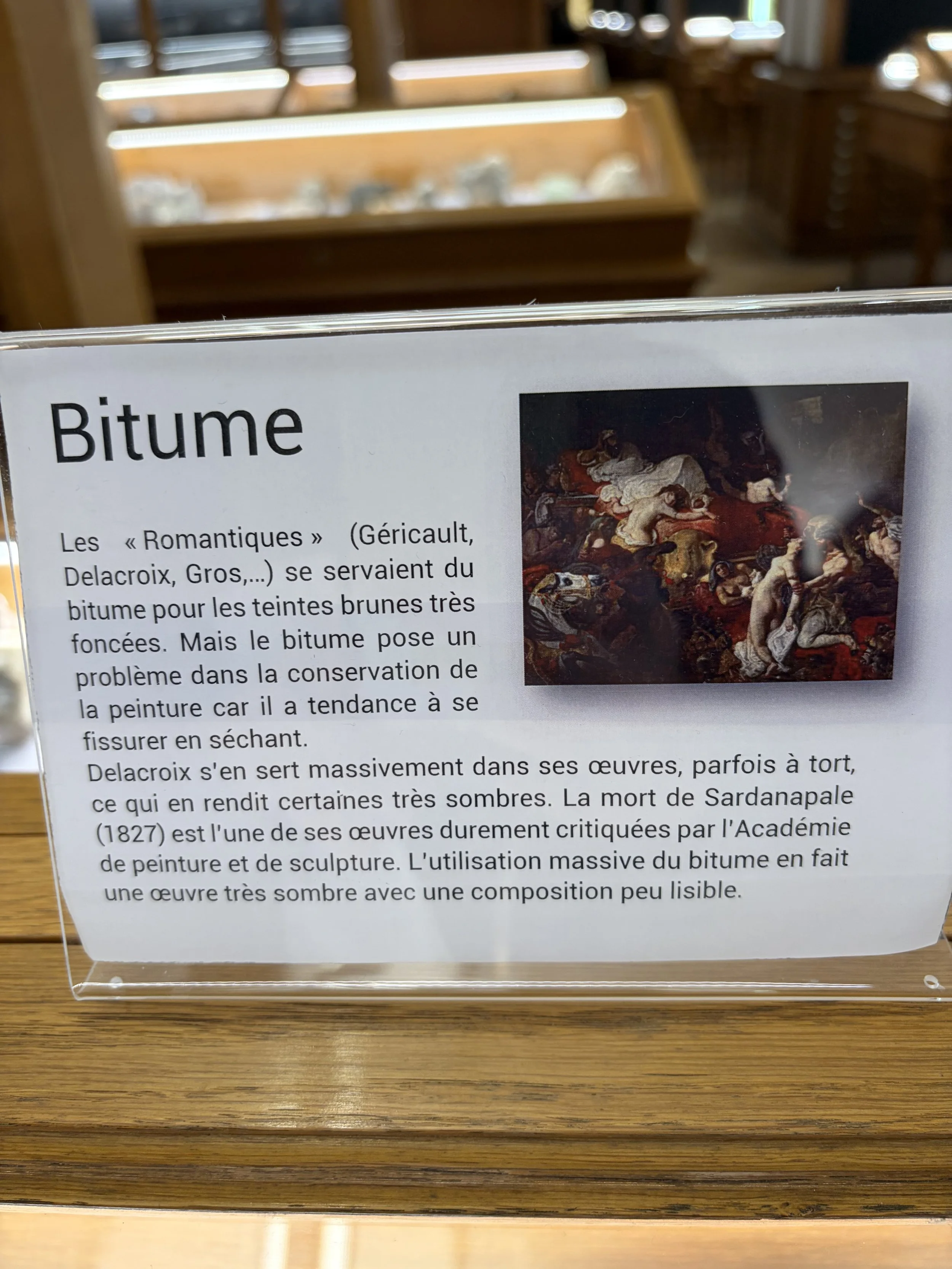
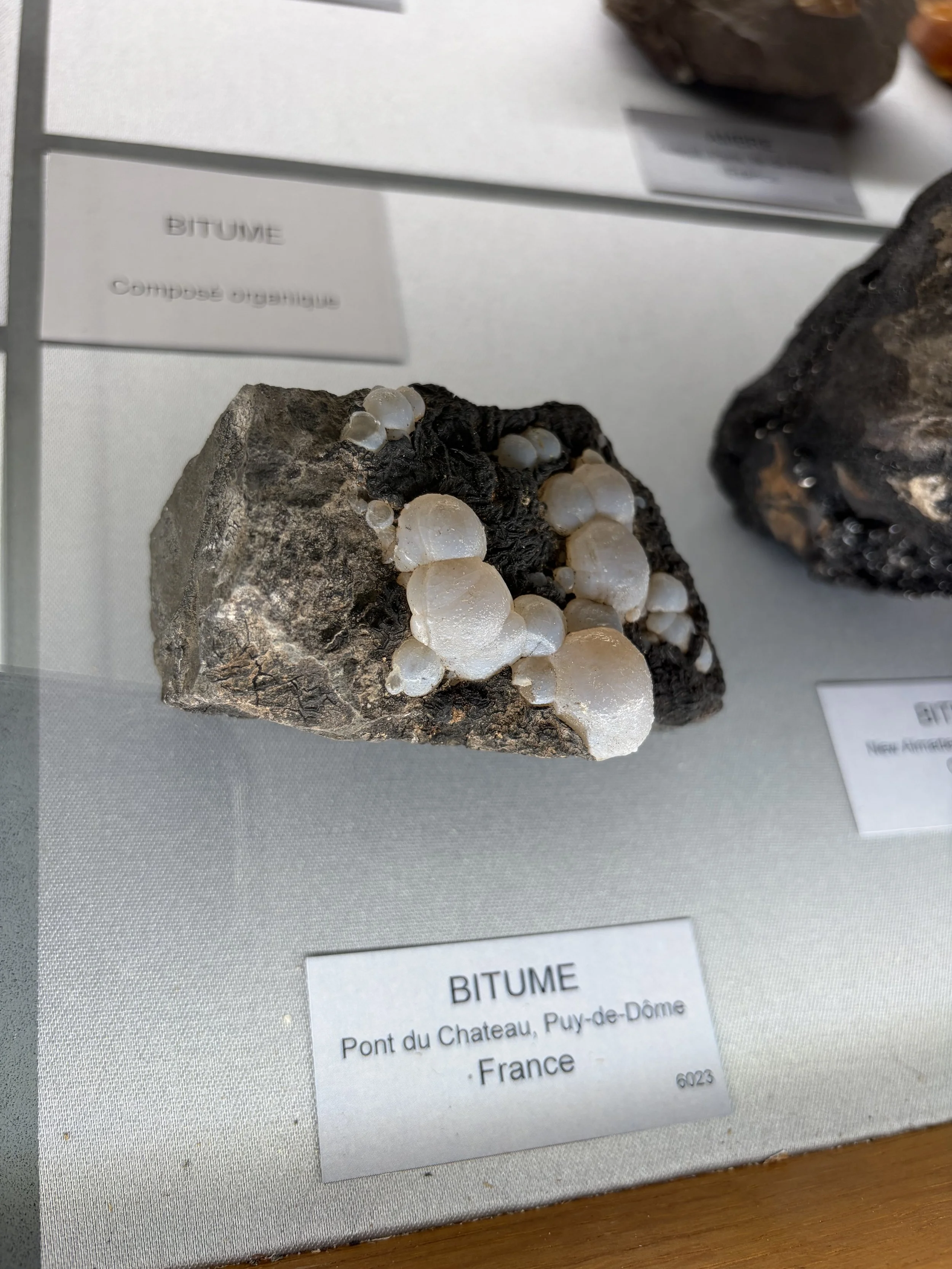
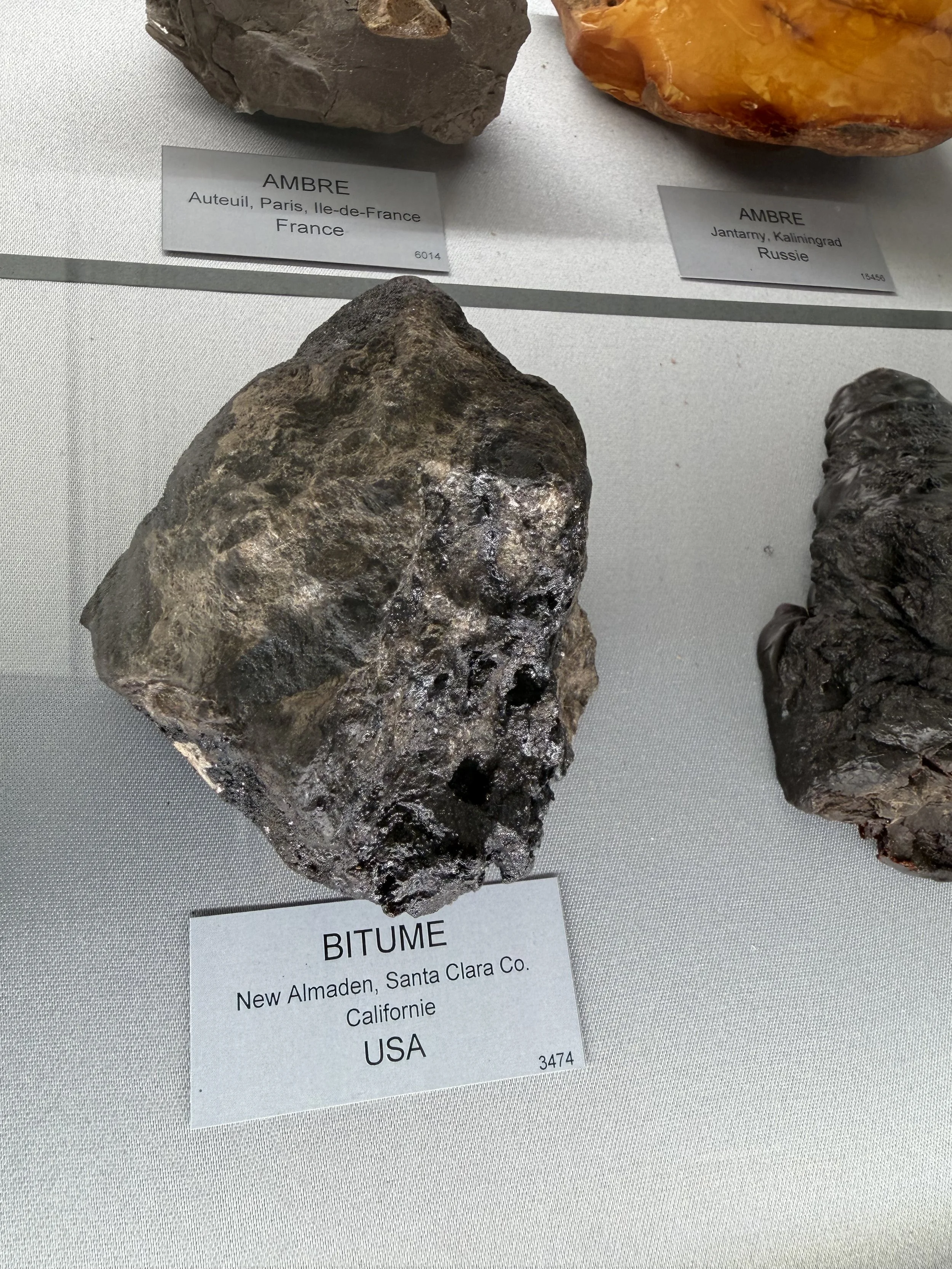
Lapis lazuli and bitumen both have important histories in artists’ materials, although it is important not to assume that a particular pigment appears in a specific painting without technical evidence for that work.
Today, conservators and scientists use sophisticated analytical techniques to identify pigments and understand how paintings have changed. Their investigations can reveal details about an artist’s working methods and help determine how best to preserve a painting for future generations.
A masterpiece is not simply an image to interpret. It is also an object with a material history, and understanding that history can deepen our appreciation of the artist’s achievement.
Cerussite, Lead White and Leonardo da Vinci
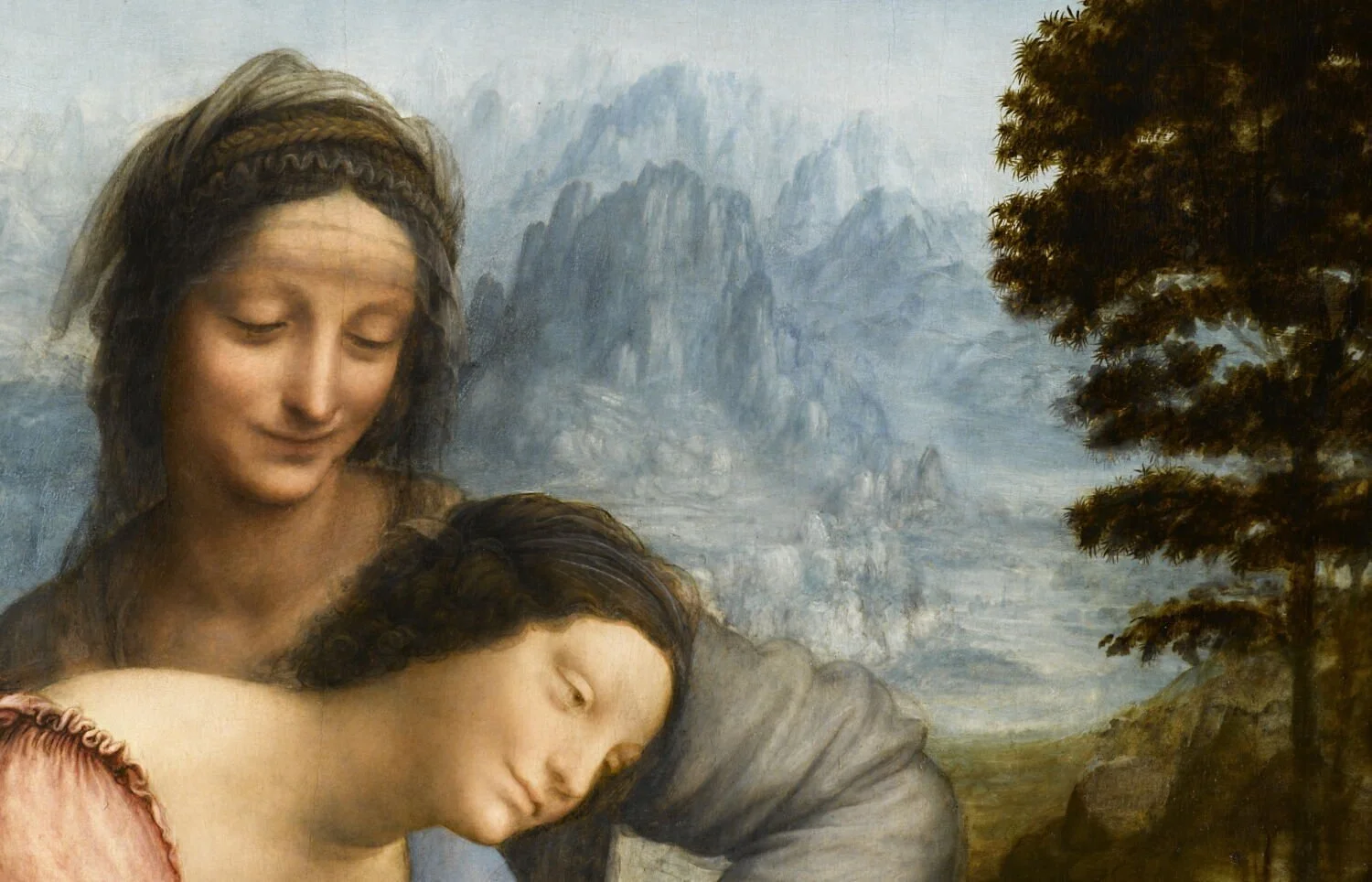
White might not be the first colour that comes to mind when we think about great paintings, but it was essential to Renaissance artists, including Leonardo da Vinci.
For centuries, lead white, known in French as blanc de plomb, was one of the most important white pigments in European painting. Artists valued its opacity and versatility, using it to create highlights, model faces and build subtle transitions between light and shadow.
Scientific analysis has confirmed the presence of lead white in Leonardo’s Mona Lisa and The Virgin and Child with St. Anne, both at the Louvre. Researchers studying The Virgin and Child with St. Anne have identified different types of lead white in the paint layers, offering clues about the materials Leonardo selected.
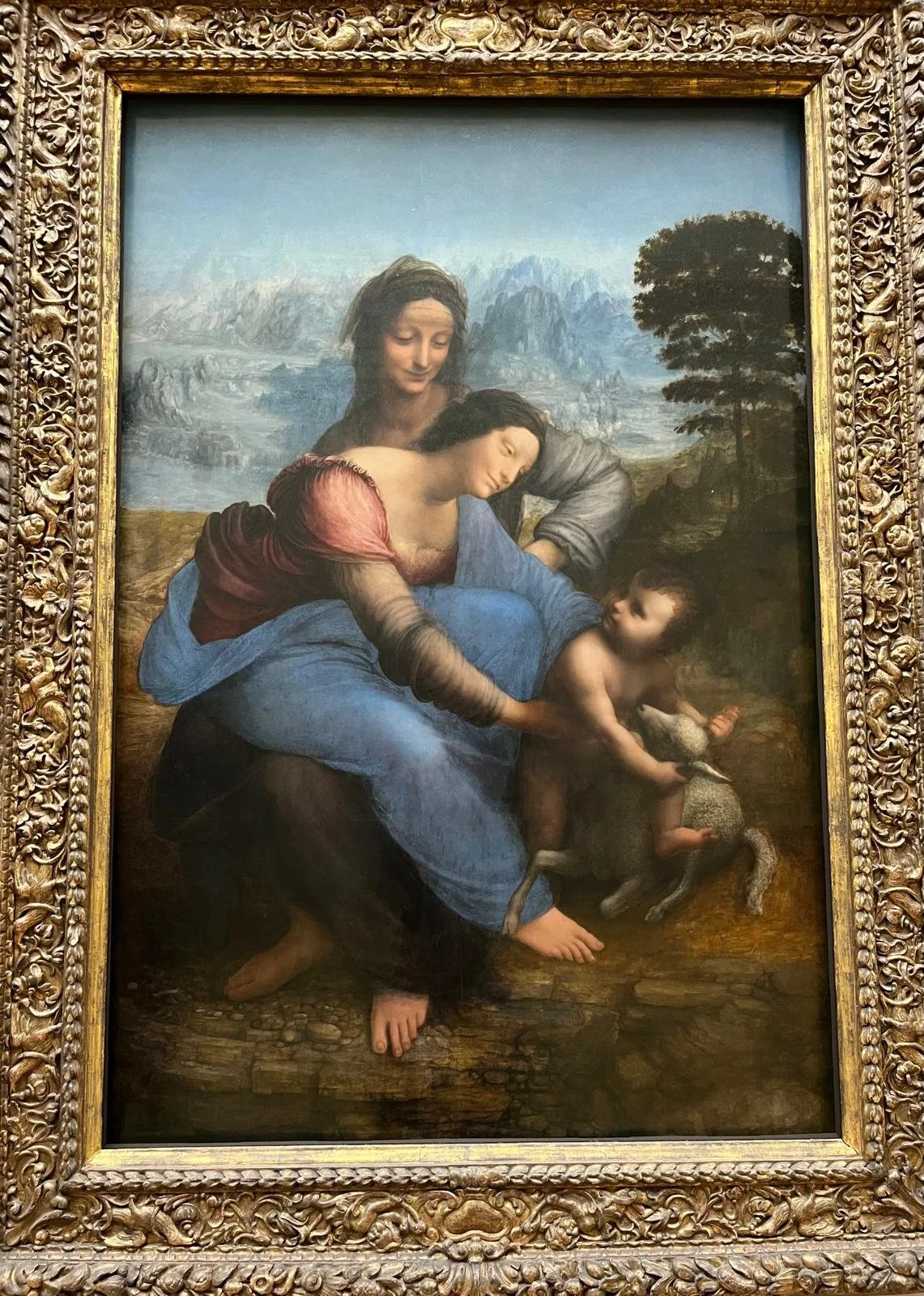
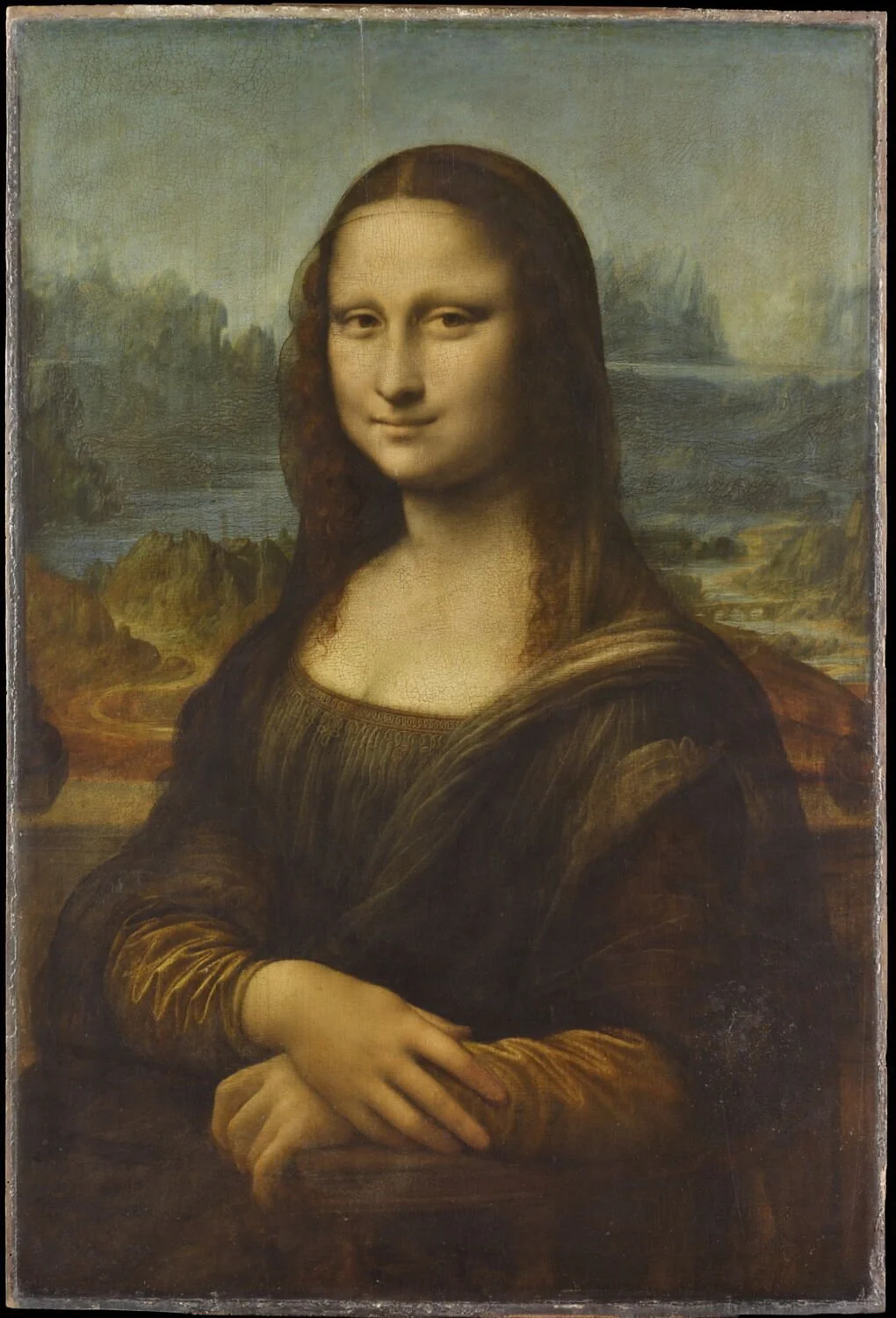
Analysis of the Mona Lisa has also revealed plumbonacrite, an unusual lead-containing compound, in the preparatory layer beneath the paint. This discovery suggests that Leonardo experimented with lead compounds to modify the properties of his oil paint. It is a fascinating glimpse into the practical and experimental side of an artist better known for his extraordinary observation, invention and mastery of light.
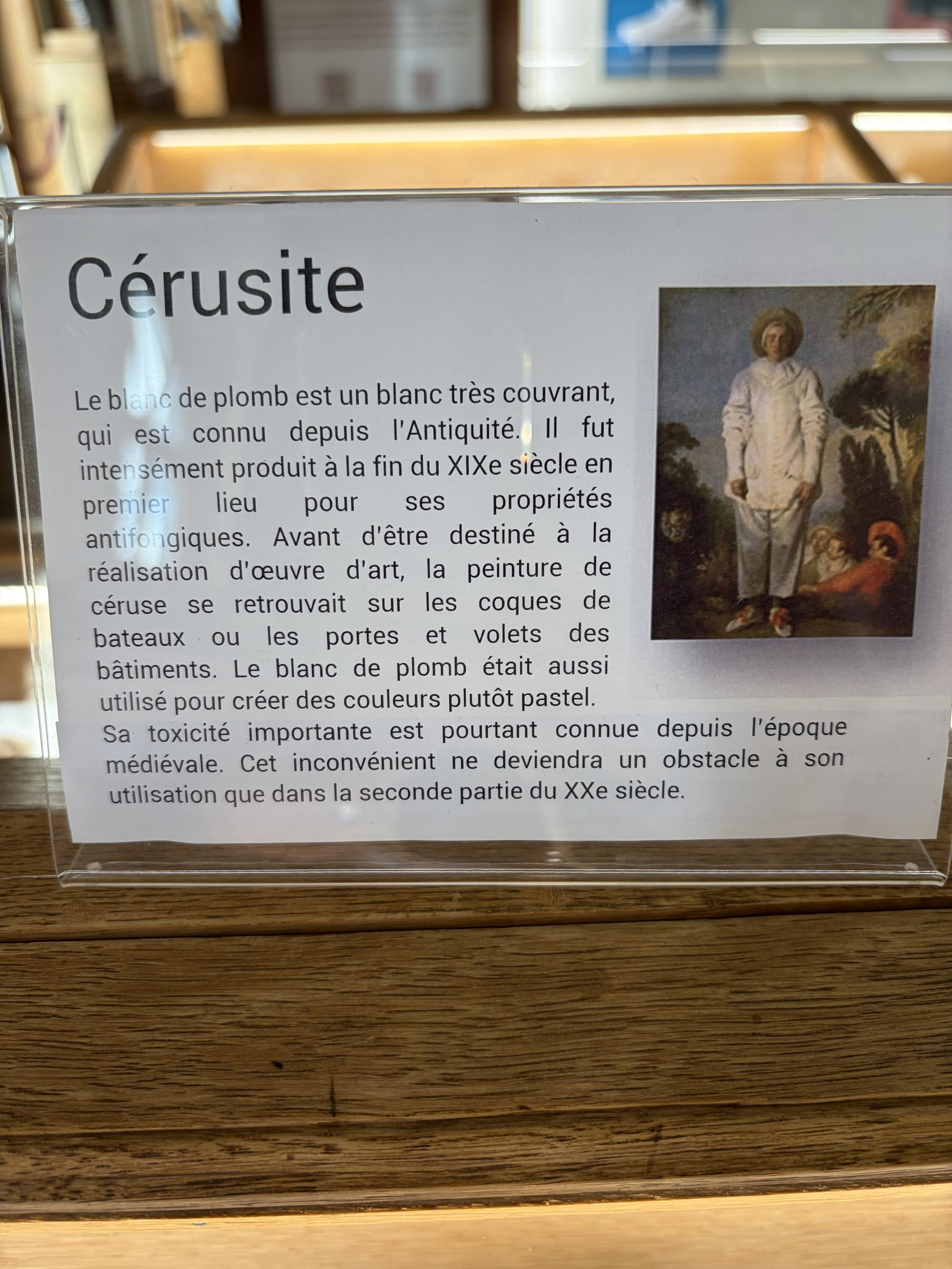
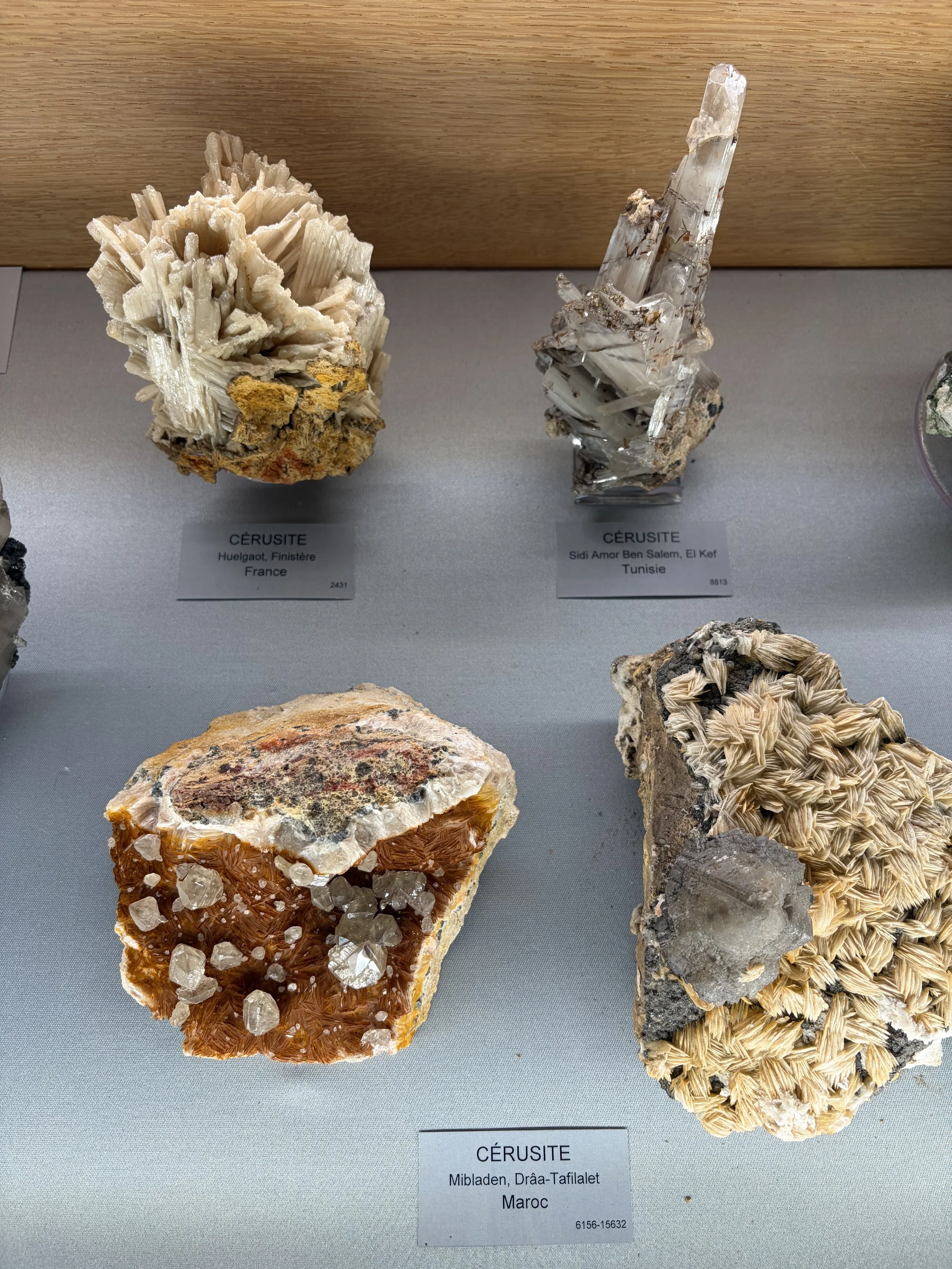
So where does the mineral connection come in? Cerussite is a naturally occurring mineral composed of lead carbonate. Traditional lead-white pigments are manufactured materials made up largely of lead carbonate compounds, often including hydrocerussite and sometimes cerussite. Although they are chemically related, cerussite and lead white are not interchangeable terms.
This distinction illustrates the relationship between mineralogy and art. A substance found in nature may provide the starting point for understanding a pigment, but turning it into a material suitable for painting involves additional knowledge and processes.
There is also a more sobering side to the story: lead is toxic. Artists used lead-based pigments for centuries, long before the health risks were fully understood. Today, conservators must take these materials into account when examining, handling and restoring historic paintings.
The next time you look at the Mona Lisa, it is worth remembering that Leonardo’s achievement involved more than extraordinary technique. It also involved a sophisticated understanding of materials, and a willingness to experiment with them.
Why a Mineral Museum Belongs on an Art Lover’s Paris Itinerary
What I loved about the Musée de Minéralogie was how naturally it encouraged these connections between science and art.
You can admire a crystal simply because it is beautiful, or study its structure and learn about the geological conditions that formed it. But once you begin thinking about the materials artists used, the collection takes on another dimension.
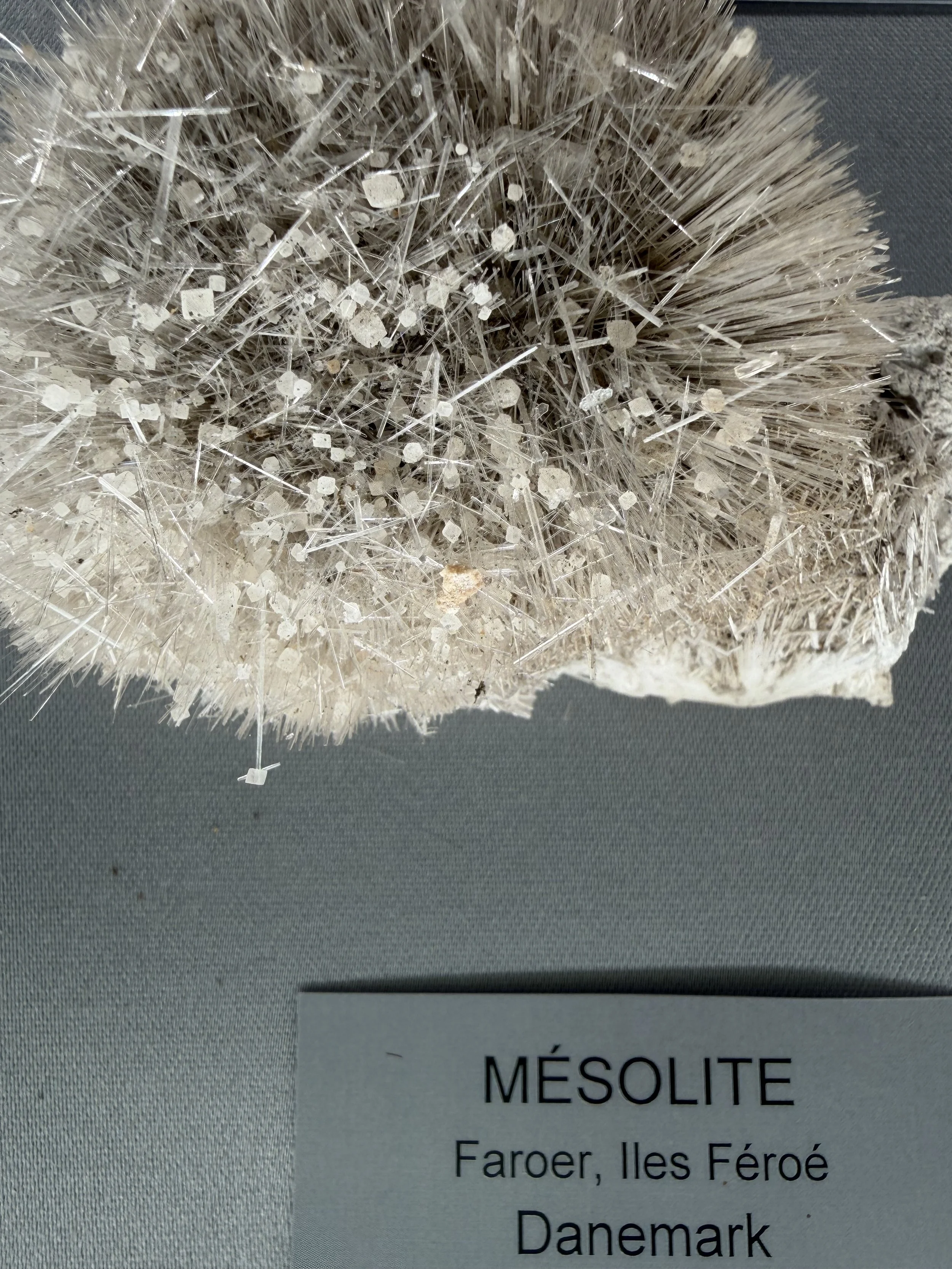
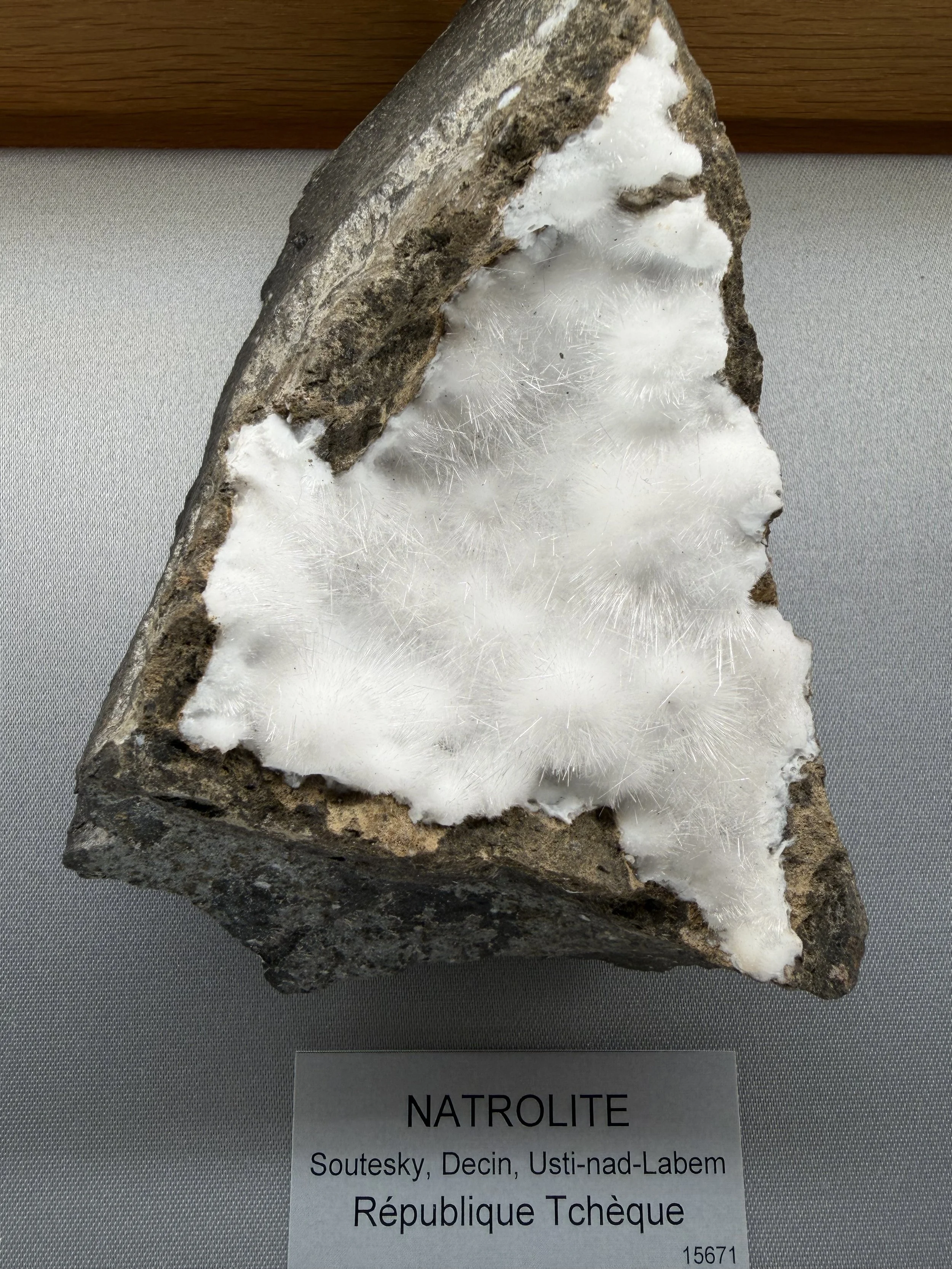
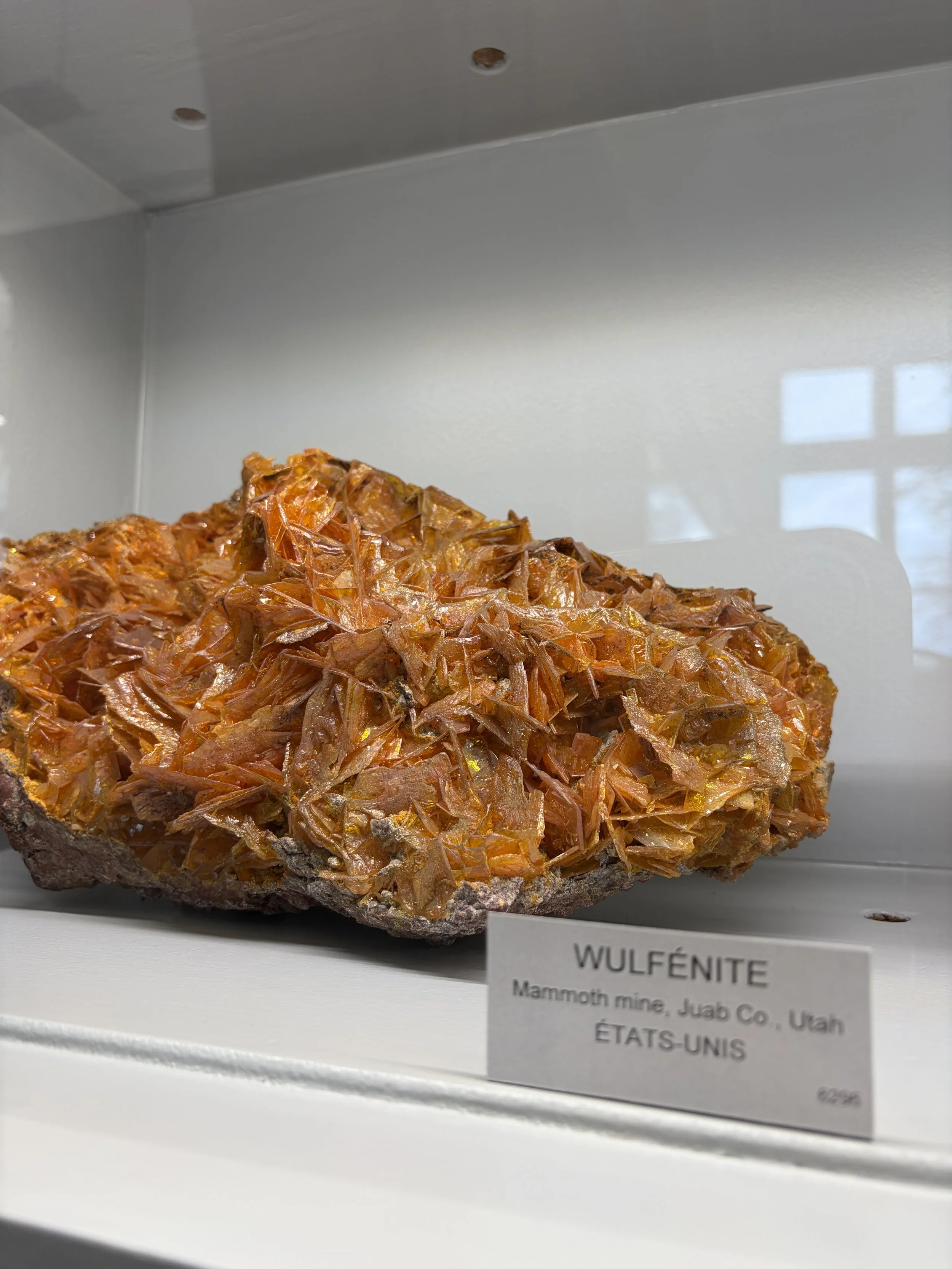
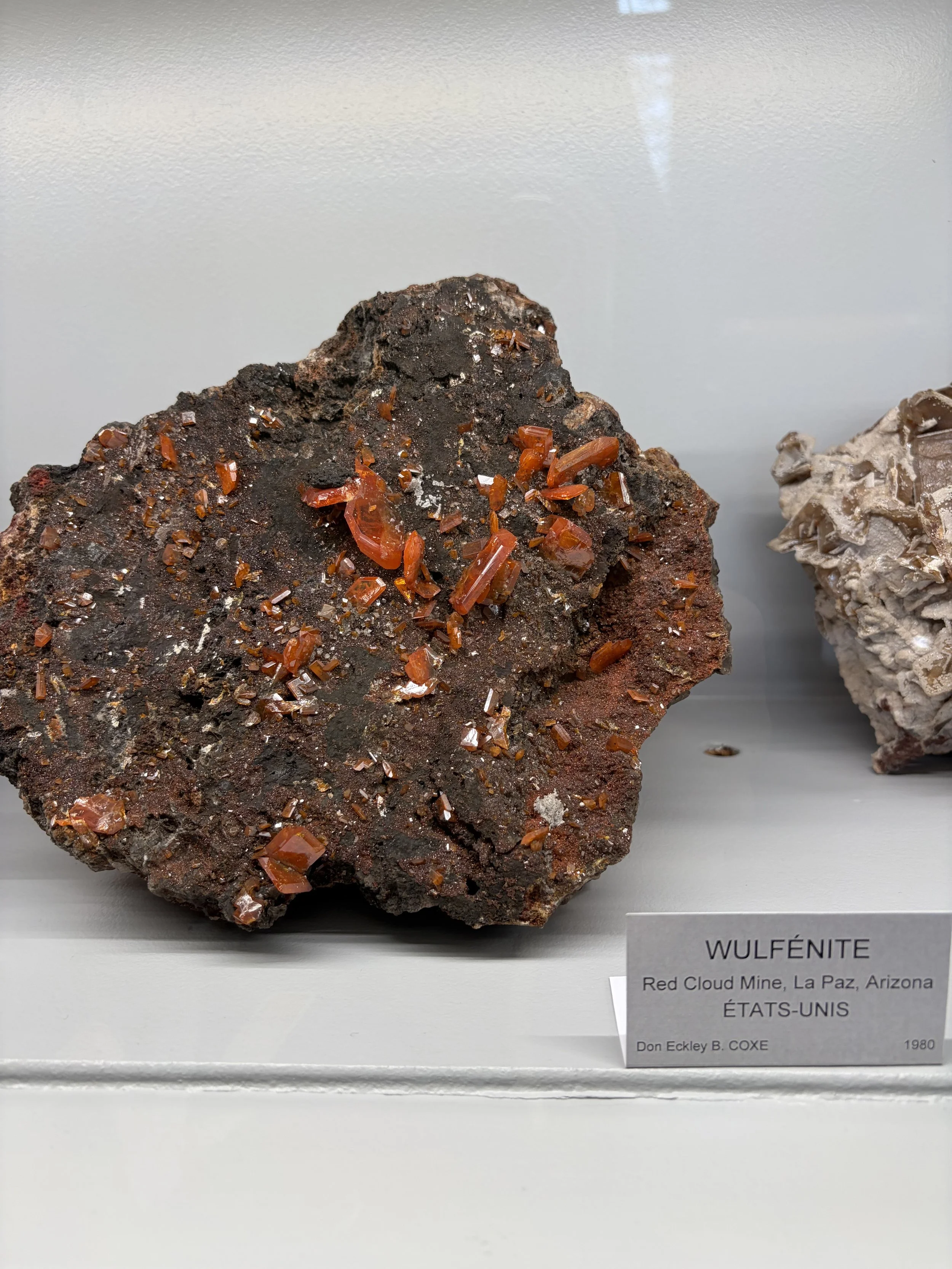
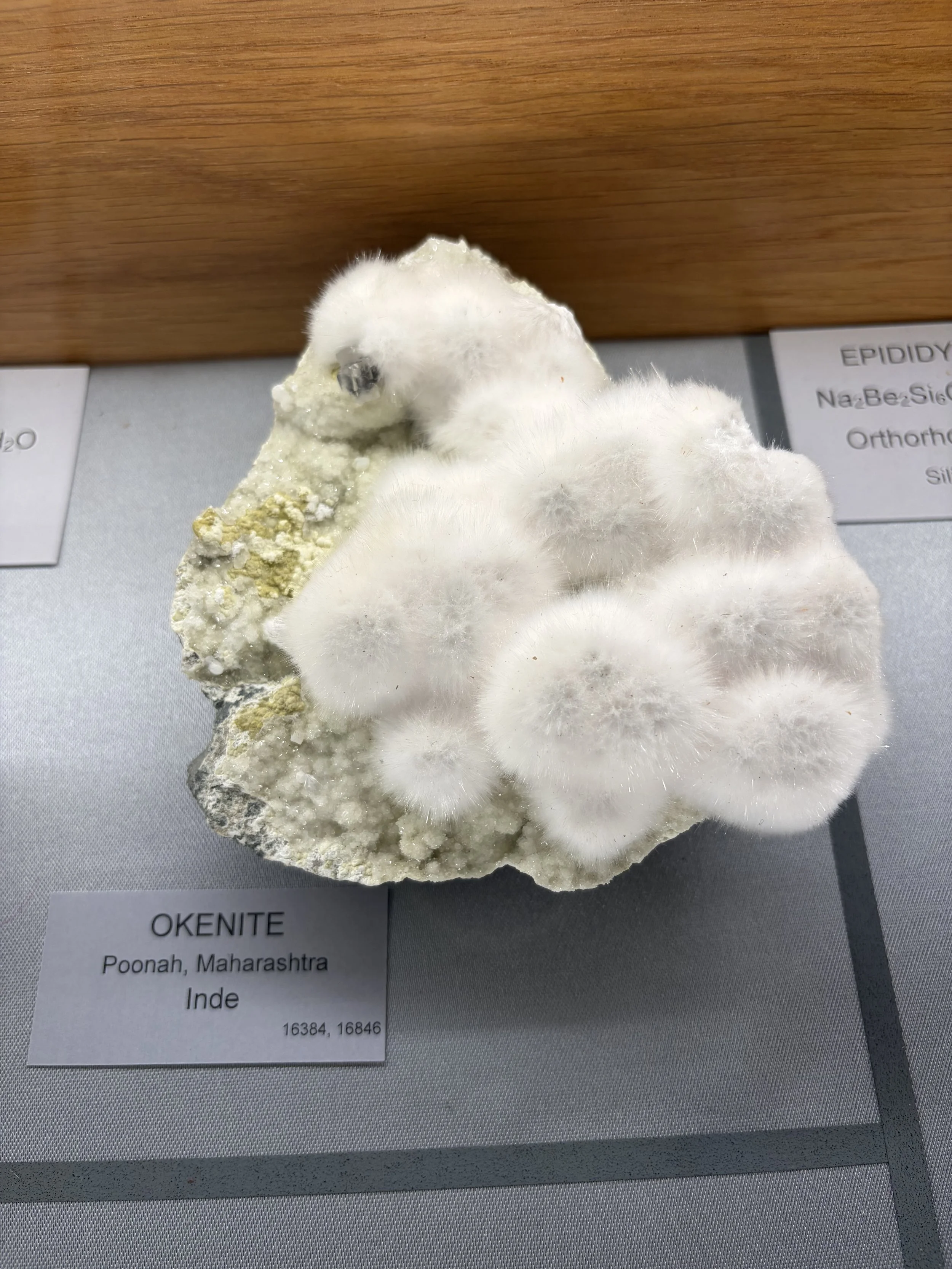
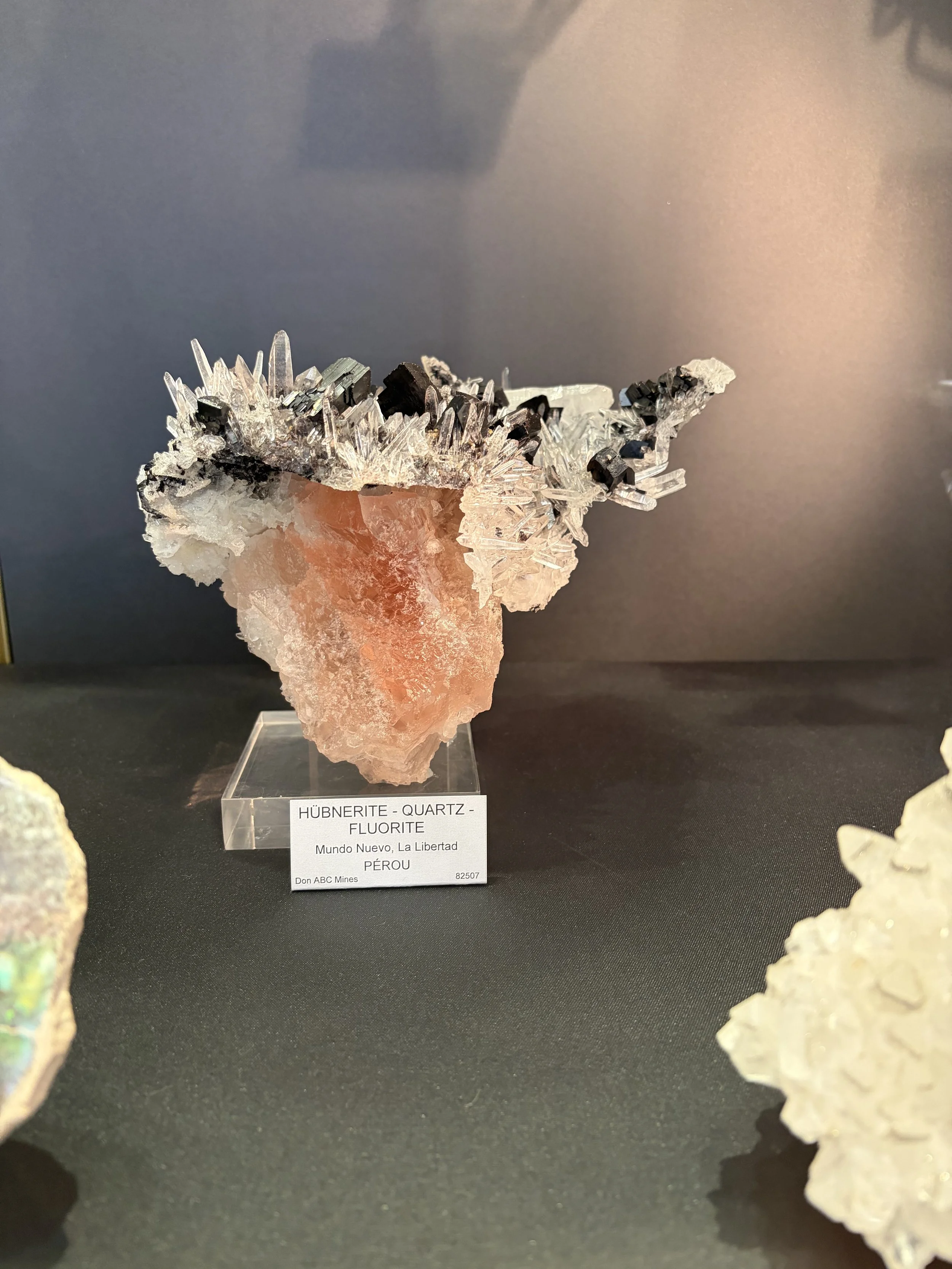
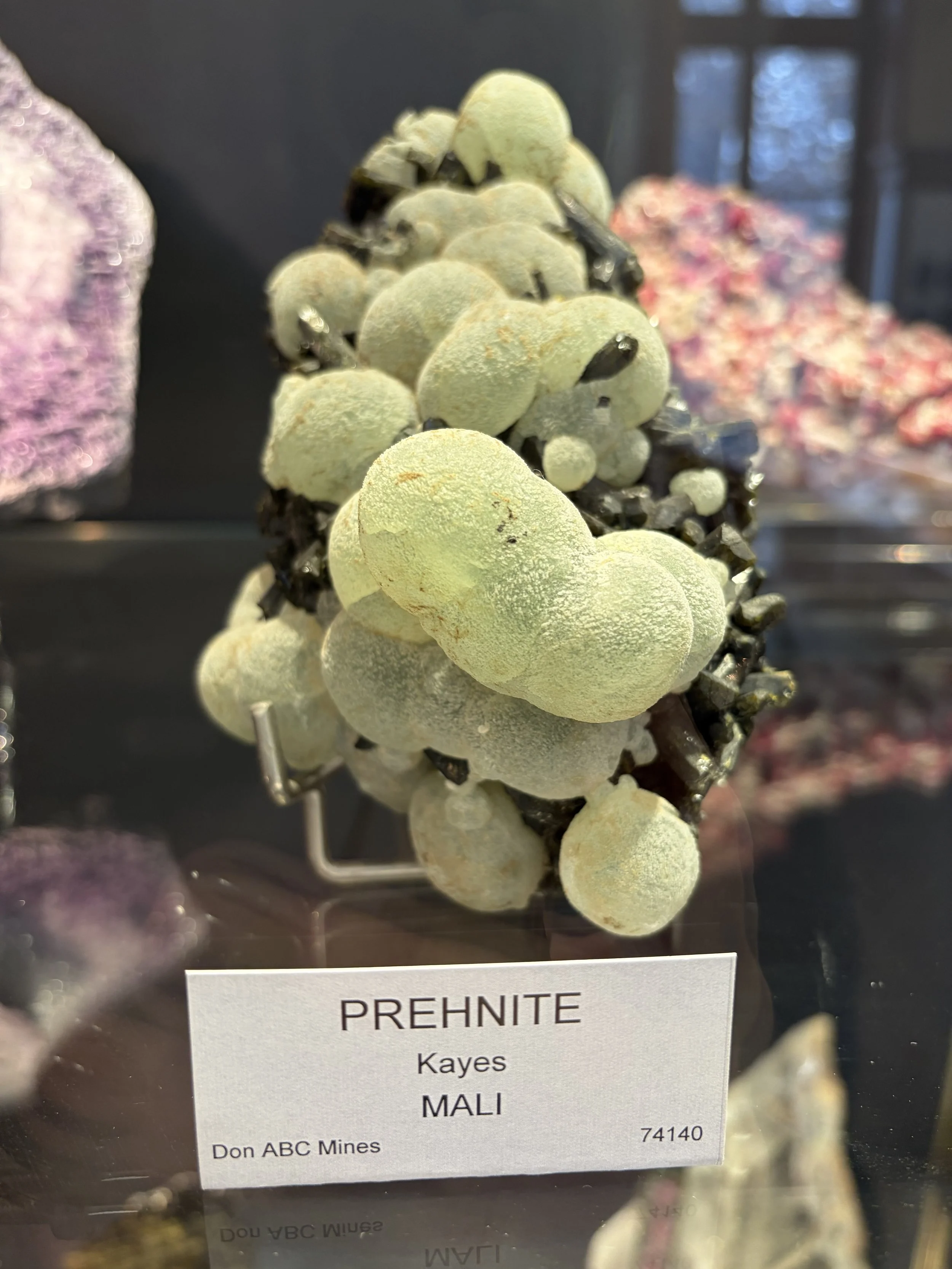
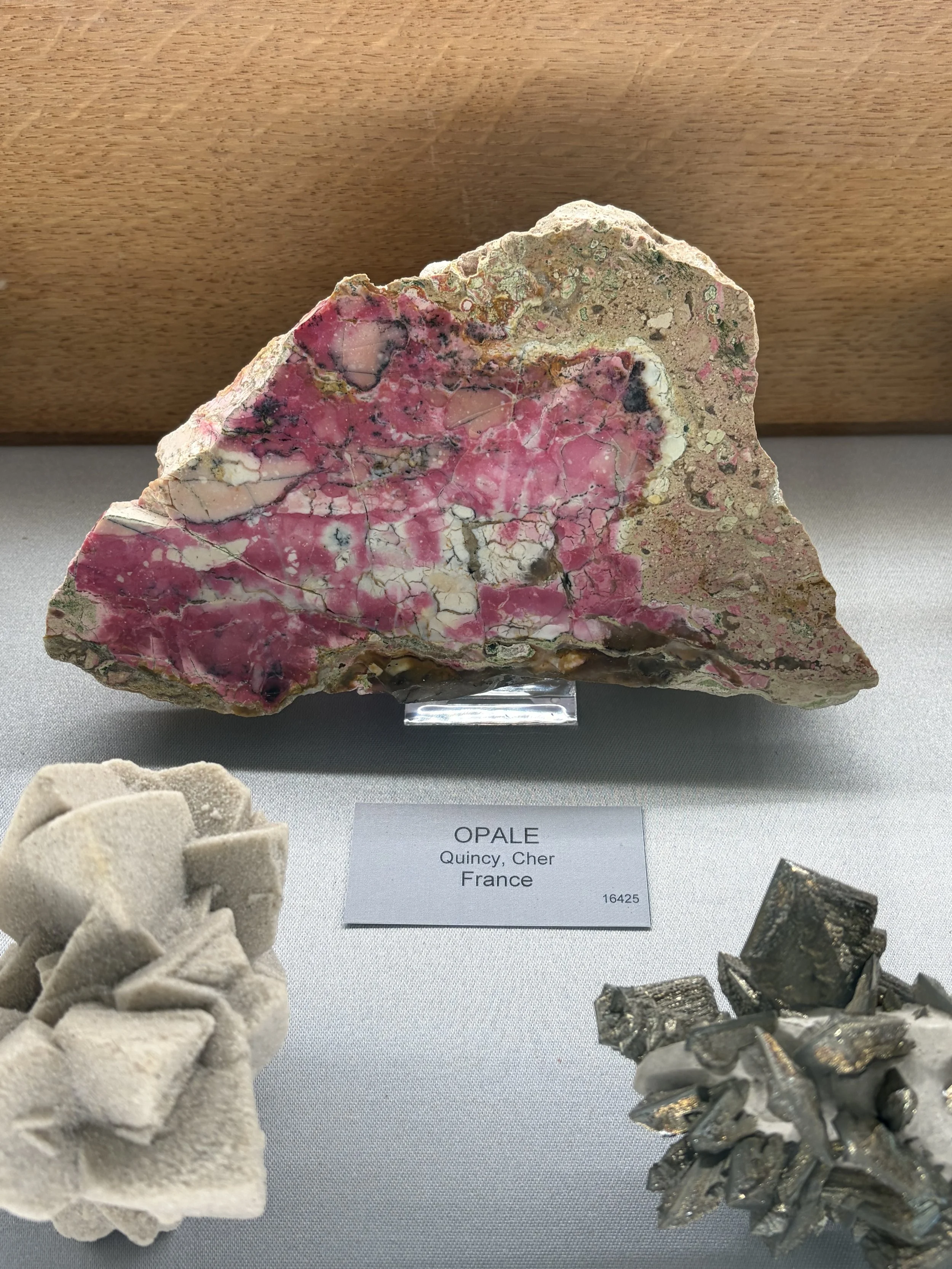
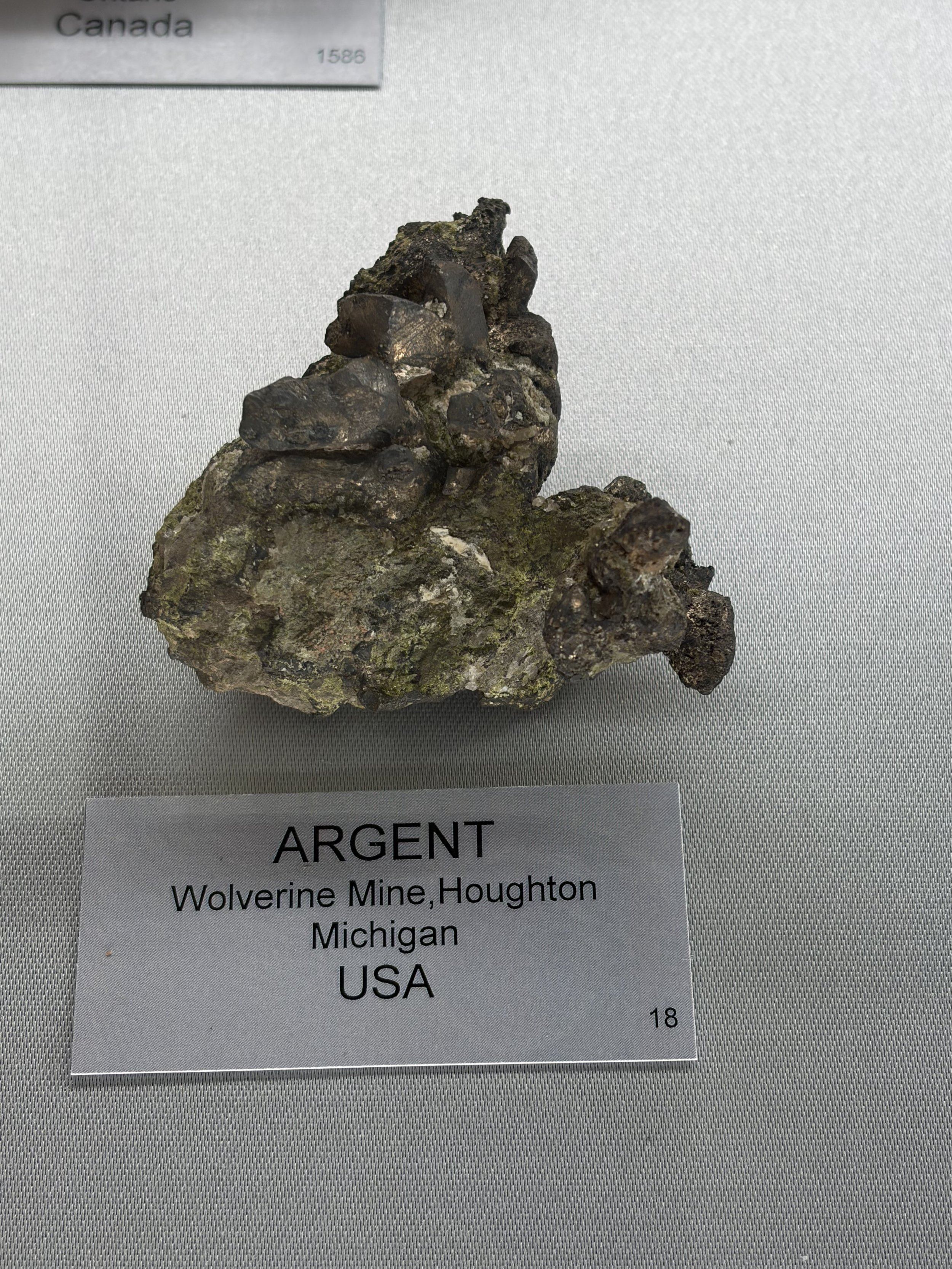
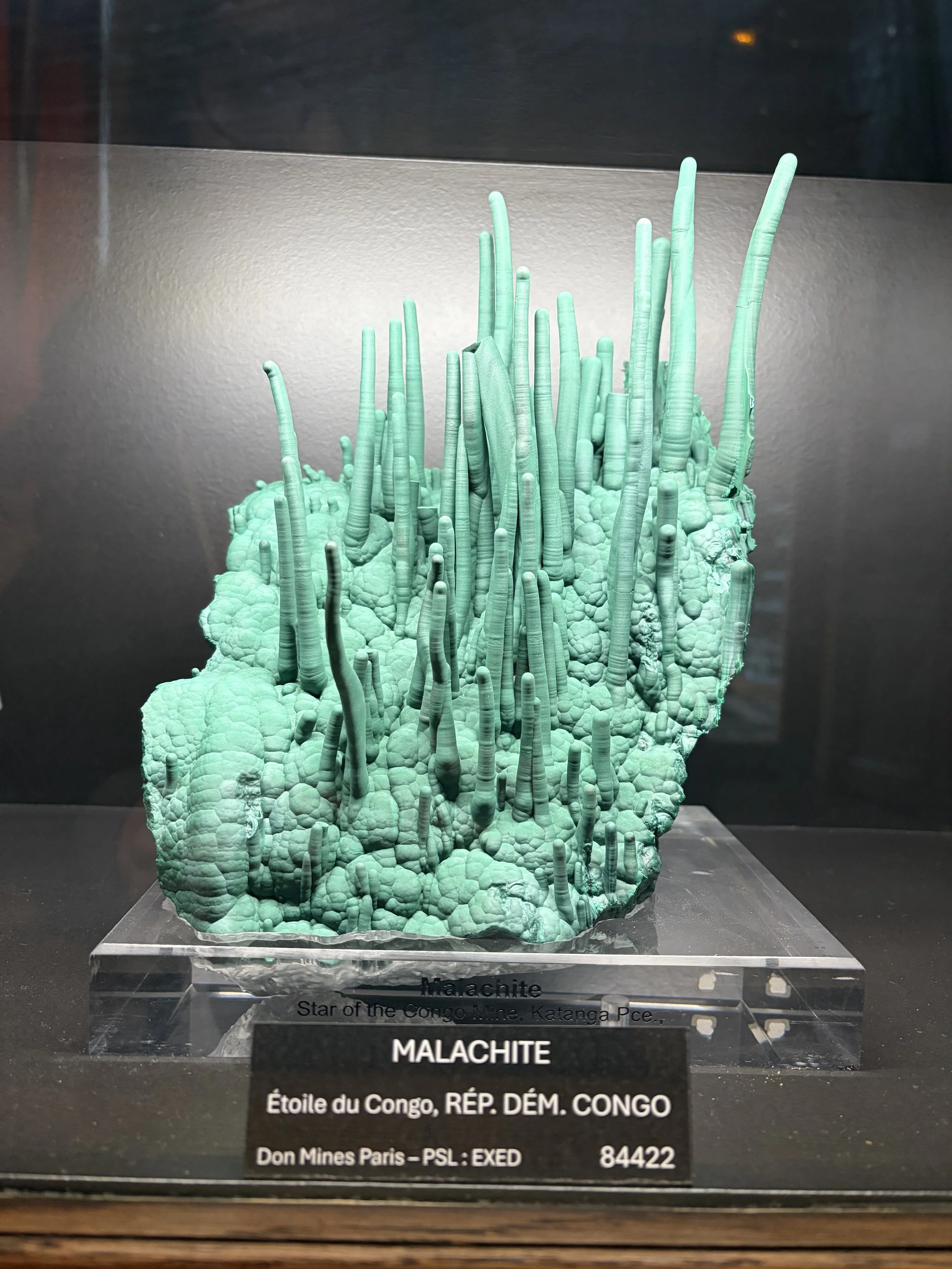
A mineral might help explain the blue in a painting, the yellow in a vase of sunflowers or the white used to highlight a face. It can lead you towards stories of trade, scientific discovery, artistic ambition and the challenges of conservation.
The museum also manages to feel both serious and approachable. There is a great deal of scientific knowledge behind the collection, but you do not need to be a geologist to enjoy it. The colours, shapes and textures are captivating in their own right. The October rose exhibition, with its pink stones and unexpected touch of humour, was an added pleasure.
I came away having learned a great deal, which is one of the joys of visiting somewhere outside your usual routine. There is always more to discover, even in a subject you think you know quite well.
I’m looking forward to bringing some of this additional knowledge into my tours at the Louvre and the Musée d’Orsay. We already explore the artists, their lives, their techniques and the stories behind their paintings. Understanding the minerals and pigments that helped create those works adds another layer to the experience.
It is one thing to admire the delicate modelling of a face in a Leonardo painting. It is another to understand something about the materials that helped make that effect possible. These details may not be immediately visible, but they can change the way we look at a familiar work of art.
Discovering a Different Side of Paris
If you are looking for unusual museums in Paris, particularly if you love art, history or science, the Musée de Minéralogie is well worth considering. It may not have the instant recognition of the Louvre or the Musée d’Orsay, but it offers a different perspective on the world around us — and on the art we admire.
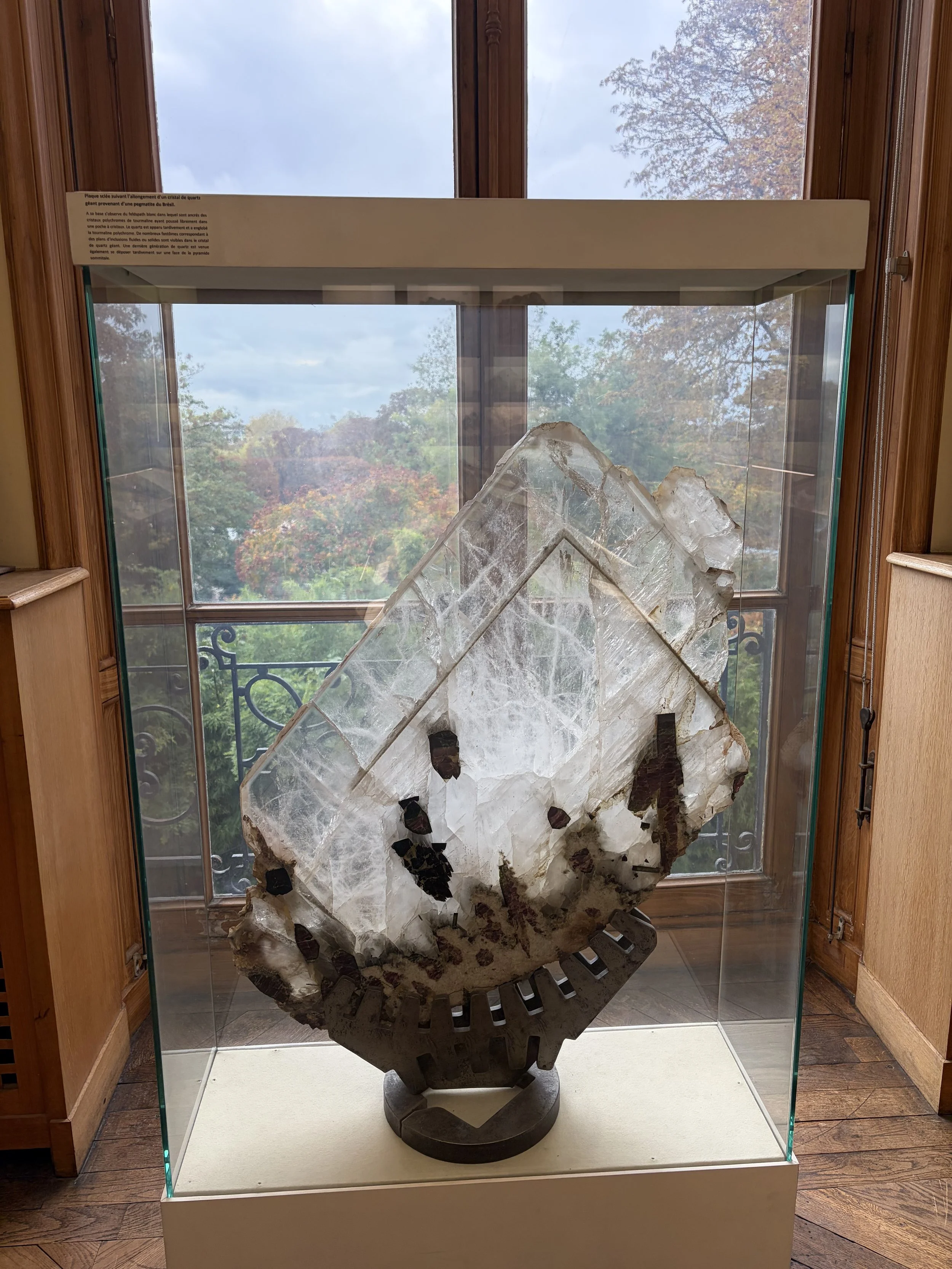
A spectacular polished slab of giant quartz from a Brazilian pegmatite, showcasing vibrant tourmaline crystals embedded in white feldspar. The quartz formed later, engulfing the tourmaline and preserving fascinating internal “phantoms” created by layers of fluid and solid inclusions. A final layer of quartz crystals developed on one face of the terminal pyramid.
I went in expecting a collection of minerals. I came away thinking about Van Gogh’s yellows, the history of ultramarine, Leonardo’s experiments with lead-based materials and the many ways in which the natural world has shaped the history of painting.
That is one of the pleasures of being a tourist in your own city. You make time for somewhere you might otherwise have overlooked, and leave with a new way of looking at things you thought you already knew.
And next time I stand in front of a painting at the Louvre or the Musée d’Orsay, I suspect I’ll be thinking a little more about the artist’s palette — and where, exactly, those colours began.